

There is a particular stillness to a British garden in winter. The flower borders have faded, the trees stand bare against pale skies, and the familiar hum of bees has given way to the occasional call of a robin or the rustle of a blackbird amongst fallen leaves.
At first glance, it can seem as though the garden has settled into a long sleep.
But look a little more closely and a different picture begins to emerge.
A blue tit searches the branches of an old apple tree for insects. A blackbird turns over damp leaves beneath the hedge, while a robin waits nearby, hoping to find a meal amongst the disturbed soil. Beneath a pile of logs, beetles and other small creatures shelter from the cold, and somewhere in a quiet corner, a hedgehog may be tucked away in its winter nest.
Even in December, the garden is full of life. Much of it is simply hidden from view.
For wildlife, winter can be one of the most challenging times of year. Food becomes harder to find, daylight hours are shorter, and cold, wet weather places additional demands on animals trying to survive until spring.
Fortunately, helping them does not require a large garden, expensive equipment or a complete change in the way we garden.
Often, the most valuable things we can offer are food, fresh water, shelter and a little peace and quiet.
A Garden That Is Never Quite Asleep
It is tempting to think of winter as a time when nature simply stops.
In reality, the colder months are part of a remarkable cycle of survival.
Some animals remain active, searching for food whenever conditions allow. Others reduce their activity, enter dormancy or hibernate, conserving energy until the weather improves.
Many insects spend winter in forms we rarely notice. Some survive as eggs tucked into stems or bark, others as larvae beneath the soil, and some adult insects find shelter amongst leaf litter, hollow stems and dense vegetation.
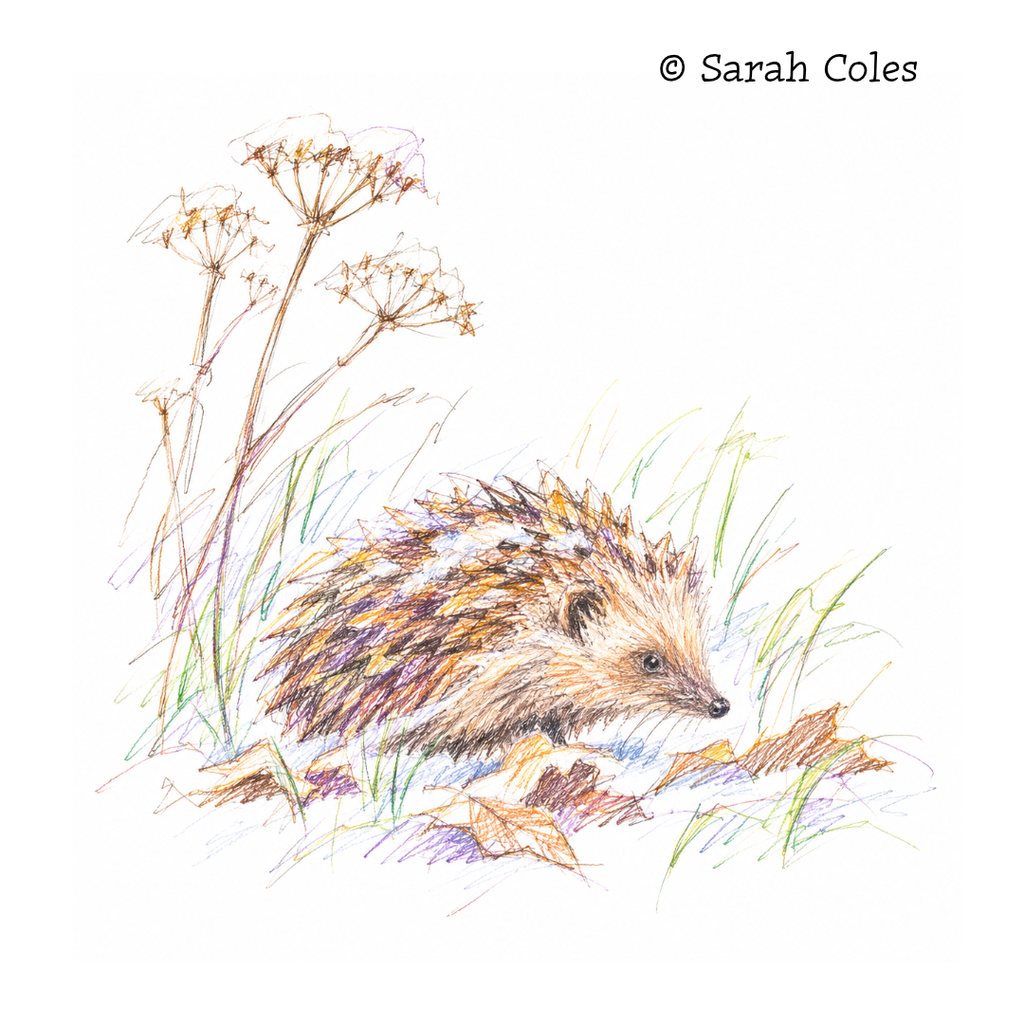
Hedgehogs usually hibernate in carefully constructed nests, although they may wake and move about during milder spells.
Garden birds, meanwhile, continue their daily search for food, making the most of whatever berries, seeds and insects remain available.
This is why a wildlife-friendly winter garden is about much more than putting out a bird feeder.
It is about recognising that every hedge, fallen leaf, seedhead and quiet corner can play a part in supporting the creatures that share our gardens.
Feeding the Birds Through Winter
Few sights are quite as cheerful on a cold morning as a gathering of birds around the garden feeders.
Blue tits dart between branches, great tits inspect the feeding stations, and robins often appear beneath them, searching for fallen crumbs.
During winter, natural food can become more difficult to find, particularly when the ground is frozen or covered with snow.
Providing suitable supplementary food can help garden birds meet their energy needs, especially during prolonged cold weather.
Sunflower hearts are popular with many species, while good-quality suet products can provide valuable energy.
Different birds have different feeding habits. Finches may visit hanging feeders, while blackbirds and robins are more likely to search for food closer to the ground.
A variety of feeding positions can therefore attract a wider range of visitors.
However, there is one particularly important consideration that is sometimes overlooked.
Cleanliness matters just as much as the food itself.
Bird feeders can become places where diseases spread, especially when large numbers of birds gather in a small area.
Use feeders that are easy to dismantle and clean, remove old or damp food promptly, and wash feeding equipment regularly following current wildlife charity guidance.
Move feeding stations occasionally to prevent waste and droppings from accumulating beneath them.
If sick or dead birds are found, follow the latest advice from the British Trust for Ornithology and other wildlife organisations before resuming feeding.
Avoid putting out bread, salty leftovers or food that has begun to spoil.
A simple, carefully maintained feeding station can be far more valuable than an elaborate arrangement that is difficult to keep clean.
And there is a quiet pleasure in watching the birds arrive each morning, gradually becoming familiar with the garden and its seasonal rhythms.
The Importance of Fresh Water
Food is often the first thing we think about when helping wildlife, but water is just as important.
During freezing weather, puddles and shallow ponds may become covered with ice, making drinking water difficult to find.
A shallow dish of clean water can be a welcome addition to the garden.
It need not be anything expensive. A sturdy, shallow container placed somewhere visible and safe from predators is perfectly adequate.
Change the water regularly and clean the container to reduce the risk of disease.
When temperatures fall below freezing, check whether ice has formed and replace it with fresh water as needed.
Never add salt, antifreeze or other chemicals to prevent freezing.
For birds, a shallow birdbath with gently sloping sides provides an opportunity to drink and bathe, although bathing may be less frequent during severe cold.
A garden pond is valuable for many forms of wildlife throughout the year, but it needs a little consideration in winter.
Avoid smashing thick ice with force, as the shock can disturb wildlife beneath the surface.
If a pond requires an opening in the ice, use a suitable pond de-icer or another gentle method rather than striking the frozen surface.
Where fish are present, maintaining appropriate gas exchange is especially important.
A little fresh water, offered consistently and hygienically, can make a real difference during the coldest weather.
Helping Hedgehogs Find a Safe Winter Home
There is something especially endearing about the thought of a hedgehog curled up amongst the leaves in a quiet corner of the garden.
These familiar British mammals have become an important symbol of wildlife-friendly gardening, but their numbers have declined considerably in many parts of the countryside.
Gardens can provide valuable habitat, particularly when they are connected by hedges, gaps beneath fences and other safe routes.
During autumn, hedgehogs build nests known as hibernacula, using dry leaves, grass and other natural materials.
They may choose a sheltered position beneath a hedge, amongst logs, under a shed or in a purpose-built hedgehog house.
By December, many hedgehogs will be hibernating, although not all remain asleep continuously throughout winter.
The most important thing we can do is avoid disturbing them.
Before moving a pile of leaves, clearing an overgrown corner or dismantling a stack of logs, consider whether a hedgehog or another animal may be sheltering there.
If you discover a sleeping hedgehog, leave it undisturbed wherever possible.
A quiet corner with fallen leaves and natural cover can provide a suitable place for nesting, while a purpose-built hedgehog house may offer additional shelter.
If you decide to provide food, specialist hedgehog food or suitable meat-based cat or dog food can be offered in a sheltered feeding station.
Fresh water should always be available.
Never give hedgehogs milk or bread, as these are unsuitable foods.
A hedgehog seen during winter is not automatically in trouble, as individuals may wake during mild weather. However, one that appears weak, injured, unsteady or unusually exposed may need specialist help.
In such circumstances, contact a reputable wildlife rescue organisation for advice.
Sometimes the greatest kindness is simply allowing a quiet corner of the garden to remain undisturbed.
Why Fallen Leaves Are Worth Keeping
For many gardeners, autumn has traditionally been a season of clearing and tidying.
Leaves are raked from lawns, borders are cut back, and the garden is prepared for winter.
There are sensible reasons for removing leaves from paths and lawns, particularly where they create slippery surfaces or smother the grass.
But fallen leaves are far from useless.
In woodland, leaf litter forms an essential part of the natural environment, providing shelter for countless small creatures and gradually breaking down into organic matter.
The same principle applies in our gardens.
Beetles, spiders, woodlice and other invertebrates may shelter amongst fallen leaves, while many insects spend part of their life cycle hidden within the litter or the soil beneath it.
These creatures, in turn, provide food for birds and other wildlife.
Rather than removing every leaf, consider sweeping them from paths and gathering them beneath hedges, around established shrubs or into a quiet corner.
Leaves can also be collected to make leaf mould, a useful soil conditioner that develops as they decompose.
Avoid piling thick layers of wet leaves directly against vulnerable plant crowns or tree trunks, where trapped moisture may encourage decay.
The aim is not to leave the entire garden covered, but to recognise that a little natural untidiness can be extremely valuable.
A pile of leaves beneath a hedge may not look particularly remarkable, but it can support a surprising amount of life.
Leaving Seedheads and Stems for Insects
The dried remains of summer flowers can be some of the loveliest features in a winter garden.
Teasels stand tall against the sky, ornamental grasses catch the low sunlight, and the dark seedheads of rudbeckias bring shape to borders that might otherwise appear empty.
There is no need to cut everything back as soon as flowering finishes.
Leaving healthy stems and seedheads standing can benefit both birds and insects.
Goldfinches are particularly fond of certain seeds, including those of teasels, while other birds may forage amongst dried flowerheads and vegetation.
Hollow stems and dead plant material can also provide shelter for overwintering insects.
Some solitary bees and wasps use hollow or pithy stems as nesting sites, although their needs vary considerably between species.
For this reason, leaving suitable stems standing beyond winter and into the following growing season can be especially helpful.
Cutting everything down in early spring may disturb insects that have not yet completed their development.
Where stems do need removing, they can sometimes be placed in a quiet, sheltered part of the garden rather than immediately shredded or composted.
This approach costs nothing and can create a more interesting garden throughout winter.
It also encourages us to appreciate plants at every stage of their lives, not only when they are in flower.
Creating Shelter with Logs and Branches
An old log may seem like little more than a piece of garden waste, but to wildlife it can be an entire habitat.
As wood gradually decays, it provides food and shelter for fungi, beetles, woodlice and many other organisms.
These creatures play an important role in breaking down organic matter and returning nutrients to the soil.
A small log pile can be created in a quiet, shaded corner of the garden.
There is no need for an elaborate structure. A few untreated logs and branches arranged securely on the ground can provide useful shelter.
Choose a position where the pile will not need to be disturbed regularly.
Over time, mosses and fungi may begin to grow, while small invertebrates move into the spaces between the wood.
Some amphibians, including frogs and toads, may also use damp, sheltered places such as log piles during colder weather.
These animals are valuable garden visitors, feeding on a variety of invertebrates.
Avoid using chemically treated timber, and never burn an established log pile without first dismantling and checking it carefully for wildlife.
A simple collection of fallen branches can become one of the most useful features in a wildlife-friendly garden.
The Value of Hedges and Evergreens
As the leaves fall from deciduous trees, evergreen plants become particularly important.
Holly, ivy, yew and other dense shrubs provide shelter from cold winds and heavy rain.
For small birds, these protected spaces can offer valuable places to rest and roost.
Holly berries are eaten by blackbirds, thrushes and other birds, while ivy produces berries that ripen during winter and early spring.
Ivy is especially valuable because its flowers provide nectar and pollen late in the year, when many other plants have finished flowering.
A mature hedge can support a remarkable variety of wildlife, offering shelter, nesting opportunities and food at different times of year.
If you have an established hedge, avoid unnecessary cutting during winter where it would remove berries or disturb sheltering wildlife.
Major hedge maintenance is generally best planned with consideration for both the plant and the animals using it.
Before any cutting, check carefully for active nests, as wild birds and their nests are legally protected while in use.
Even a small evergreen shrub can make a difference in a modest garden.
The aim is to create layers of vegetation, from ground cover and low shrubs to taller hedges and trees, giving wildlife a choice of places to shelter.
A Wildlife-Friendly Garden Does Not Need to Be Untidy Everywhere
There is a common misconception that gardening for wildlife means allowing everything to grow wild.
In reality, a thoughtful balance often works best.
Paths can be kept clear, lawns maintained where they are needed, and borders managed without removing every natural habitat.
A small patch of longer grass beneath a hedge, a log pile behind a shed or a collection of seedheads left standing until spring may be all that is required to make a garden more welcoming.
Even a courtyard or patio can offer something useful.
A pot of ivy, a shallow dish of fresh water or a carefully maintained bird feeder can support wildlife in a small space.
For those with larger gardens, leaving some areas relatively undisturbed can create valuable habitats that develop naturally over time.
It is also worth avoiding pesticides wherever possible.
Many insects that we scarcely notice are important pollinators, decomposers or predators of common garden pests.
Ladybirds, lacewings and ground beetles, for example, can help control aphids and other small invertebrates during the growing season.
Providing suitable places for these beneficial insects to overwinter helps maintain the natural balance of the garden.
A healthy wildlife garden is not necessarily one that looks neglected.
It is simply a garden where there is room for more than plants alone.
Small Changes That Make a Lasting Difference
Perhaps the most encouraging thing about wildlife-friendly gardening is that small changes can have a genuine impact.
There is no need to transform the entire garden in a single weekend.
Begin with what you already have.
Leave a few seedheads standing. Gather fallen leaves beneath a hedge. Place a shallow dish of water somewhere safe. Allow ivy to grow in a suitable corner, or keep a small pile of untreated logs where it will not be disturbed.
If you feed birds, make hygiene a priority.
If hedgehogs visit, ensure they can move safely between gardens through suitable gaps beneath fences, and avoid disturbing potential nesting places.
These are simple actions, but together they help create a garden that offers food, water and shelter throughout the colder months.
They also encourage a different way of looking at the garden.
Instead of seeing fallen leaves as something to clear away, we begin to recognise them as shelter. Dried stems become places where insects may be resting, and a quiet patch beneath the hedge becomes a refuge rather than an untidy corner.
The garden begins to feel less like a space we control and more like a small part of the wider countryside.
Sharing the Garden Through Winter
There is a quiet satisfaction in knowing that the garden continues to support life even when we are spending less time outdoors.
On a cold December morning, a robin may be searching for food beneath the shrubs. A blackbird might be feeding on fallen fruit, while a hedgehog sleeps beneath a carefully gathered nest of leaves.
Hidden amongst the stems and soil, countless insects are waiting for warmer days.
Most of this activity takes place without us ever noticing.
And perhaps that is part of the pleasure.
A wildlife-friendly garden does not need to be full of movement or colour to be successful. Sometimes its greatest value lies in the quiet, sheltered places where nature can carry on undisturbed.
As winter settles over the countryside, there is no need to rush outside and tidy away every reminder of the previous season.
Leave a few leaves beneath the hedge, allow the seedheads to stand, and keep a little fresh water available.
Then, when spring returns and the garden begins to stir once more, the birds, insects and other creatures that found refuge through winter will already be part of its new season.
And there are few more rewarding things than sharing a garden with the wildlife that calls it home.
For Inspiration Follow Me on Instagram, Facebook, Bluesky and Threads
Further Reading: Who Lives Beneath the Leaves? The Wildlife We Protect by Leaving Them, Best Plants for Wildlife: Flowers, Shrubs and Climbers for a Nature-Friendly Garden, How to Create a Wildlife-Friendly Garden, The Art of Leaving the Garden Alone in Winter, Why Your Garden Soil Needs a Winter Blanket, Dead Stems, Seedheads and Hollow Stalks: Why They Matter in Winter
