


The faded remains of summer’s flowers have a purpose long after their colour has gone. Discover why leaving stems and seedheads standing through winter can make a remarkable difference to the wildlife in our gardens.
By November, the garden has begun to take on a very different character. The generous flowers of summer have disappeared, borders have softened and many of the plants that filled our gardens with colour are now little more than dry stems and faded seedheads.
It is tempting to reach for the secateurs.
After months of tending the borders, deadheading flowers and keeping everything looking its best, cutting back the remains of the growing season can feel like the natural next step. There is a certain satisfaction in clearing the beds, revealing the soil and leaving the garden looking tidy before winter arrives.
But there is another way to look at those fading plants.
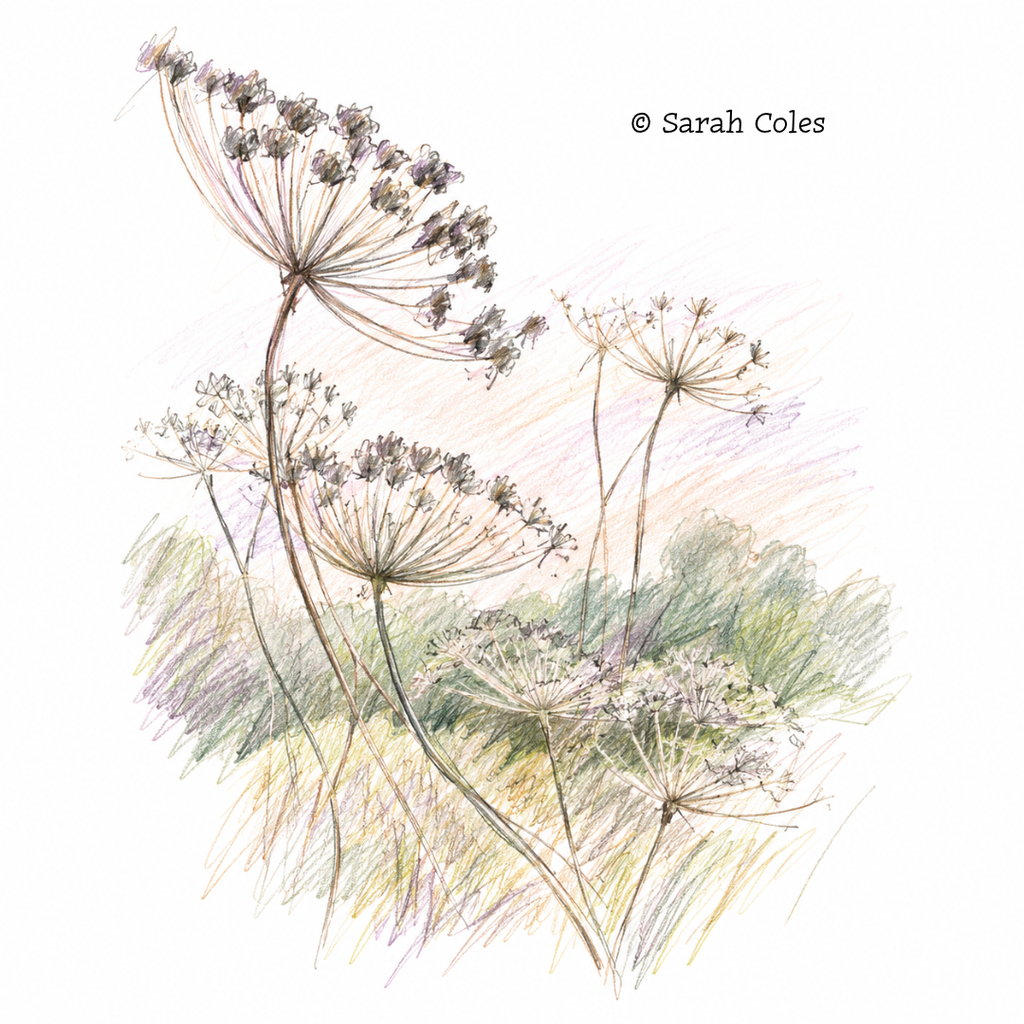
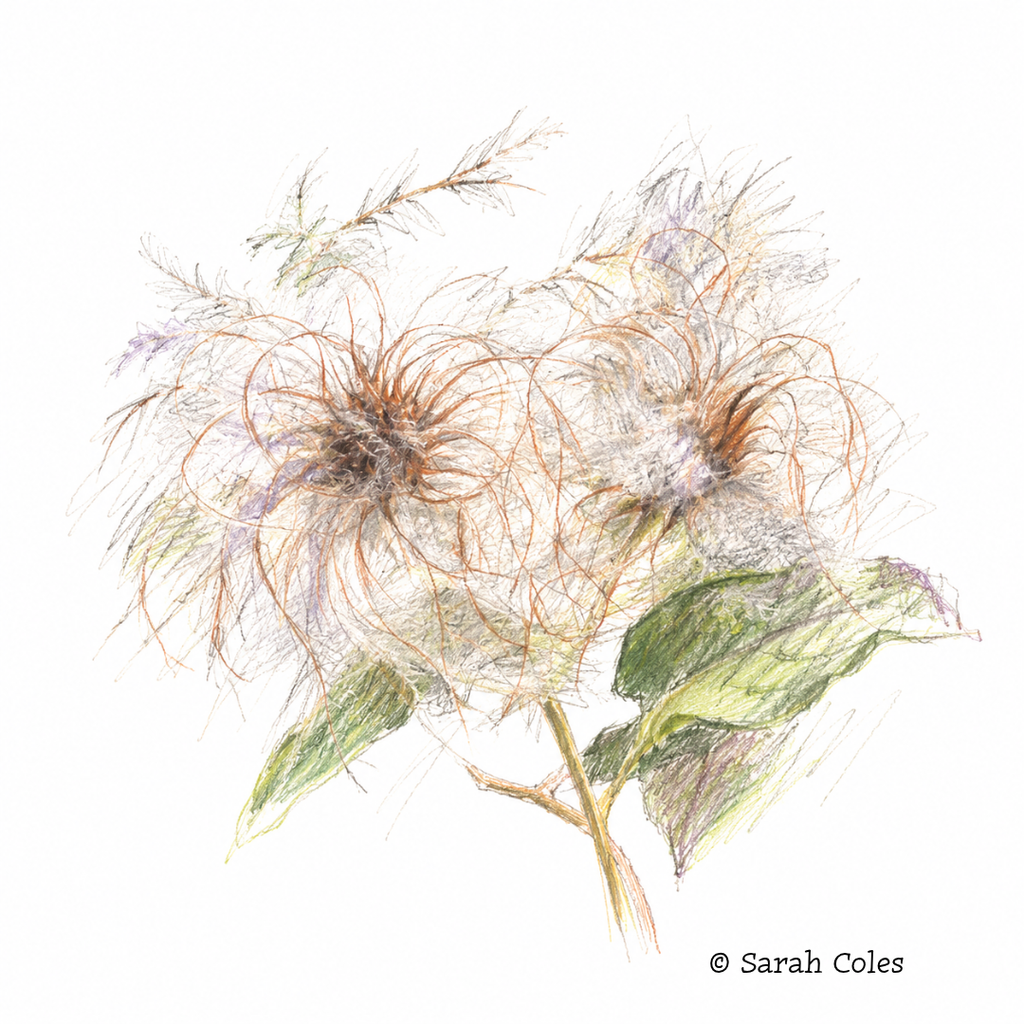
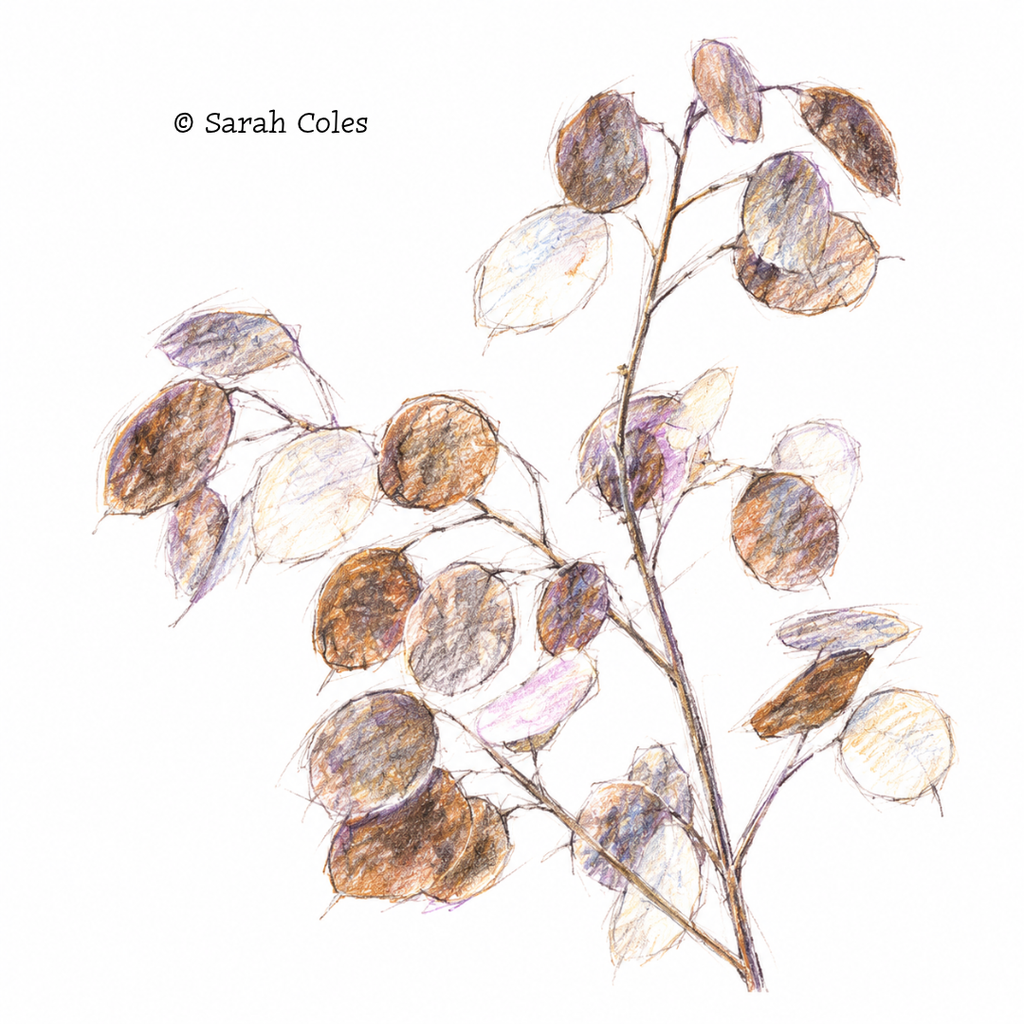
The hollow stems, dried flowerheads and standing grasses that appear to have finished their work may still be providing shelter, food and protection for the creatures that share our gardens.
A seedhead may hold food for a passing bird. A standing stem may offer shelter to a small insect. The tangle of old growth at the base of a perennial may create a protected place where invertebrates can survive the colder months.
And what looks rather untidy to us may be a valuable part of the garden’s winter habitat.
Sometimes the best thing we can do for a garden in November is to leave a little of summer standing.
The Garden Doesn’t Stop Being Useful When the Flowers Fade
We tend to judge plants by their most obvious qualities.
A rose is admired for its flowers. A perennial earns its place in the border through colour, shape or fragrance. Ornamental grasses are chosen for the movement and texture they bring to a planting scheme.
Once those qualities begin to fade, it is easy to assume that the plants have little left to offer.
Yet a garden is more than a collection of flowers.
Throughout the growing season, plants provide food and shelter for a wide variety of wildlife. Bees and butterflies visit the flowers, birds search amongst the foliage for insects, and countless smaller creatures make use of the stems, leaves and surrounding soil.
As autumn progresses, those relationships change rather than disappear.
Some insects seek sheltered places to spend the winter. Others remain in their immature stages, waiting for warmer conditions. Birds continue to search for food, and the dried remains of plants can provide valuable structure and cover.
A border that has been stripped of every stem and seedhead offers fewer opportunities for many of these creatures.
Leaving some growth standing allows the garden to continue supporting wildlife through a season when suitable habitats can be harder to find.
Hollow Stems: Small Spaces with an Important Purpose
One of the most interesting features of many herbaceous plants is something we rarely notice while they are growing.
Their stems may be hollow, or contain soft pith that certain insects can excavate.
These structures can provide nesting opportunities for some solitary bees and wasps.
Unlike honeybees, which live in large colonies, most British bee species are solitary. Some nest in the ground, while others use existing cavities in wood or plant stems.
Certain cavity-nesting species make use of hollow stems or tunnels, where they create individual chambers for their developing young.
A female may collect pollen and nectar, place provisions inside a suitable cavity and lay an egg before sealing the chamber.
The developing bee remains protected within the nest until it is ready to emerge.
However, there is an important distinction worth understanding.
Not every hollow stem is automatically occupied, and many solitary bees prefer stems that have been broken or cut to expose a suitable opening.
This means that leaving stems standing through winter, and retaining some cut stems into the following growing season, can be particularly useful.
Some insects may also shelter within damaged stems or amongst the surrounding vegetation.
By removing and shredding every old stem during autumn, we may be disposing of potential nesting and overwintering habitat before it has had an opportunity to be used.
Why Standing Stems Are Worth Keeping Until Spring
There is no horticultural requirement to cut every herbaceous perennial to the ground as soon as its flowers fade.
Many plants can remain standing throughout autumn and winter without suffering any harm.
Indeed, the old growth can sometimes help protect the crown of a plant from cold weather, particularly where the stems and foliage provide a little shelter around its base.
For wildlife, standing vegetation offers something equally important: continuity.
Insects that have settled into protected places are less likely to be disturbed when the border is left largely untouched.
The surrounding stems and foliage also create a more varied environment than a completely cleared bed.
Some creatures shelter close to the soil surface. Others occupy crevices or plant material higher above the ground.
Leaving a mixture of standing stems, fallen leaves and low-growing vegetation provides a greater variety of habitats.
There will always be exceptions. Diseased material may need removing, damaged growth can create problems, and some plants benefit from particular pruning or maintenance.
But cutting everything back simply because November has arrived is not always necessary.
The garden can be managed selectively, leaving the most useful and attractive growth in place.
Seedheads: A Natural Winter Food Source
When flowers finish blooming, many plants begin producing seeds.
For the gardener, this may signal the end of the display. For seed-eating birds, however, it can mean the beginning of another opportunity.
Goldfinches are particularly associated with feeding on small seeds, including those of teasels and thistles.
Other birds may investigate seed-bearing plants where suitable food remains available.
The value of a seedhead depends on the plant species, the type of seed and whether birds are able to access it.
Not every ornamental seedhead will attract wildlife, and some seeds may already have dispersed by the time winter arrives.
Nevertheless, allowing suitable plants to complete their natural cycle can provide food that would otherwise be lost through early cutting.
Teasels are a particularly familiar example.
Their tall, prickly seedheads stand above the surrounding vegetation and can attract goldfinches searching for seeds.
Sunflowers, where seedheads have been left intact and seeds remain, may also provide food for birds.
Native thistles and other wild plants can be valuable seed sources too, although their suitability depends on the garden and the space available.
There is something rather satisfying about watching a bird feed directly from a plant that has been allowed to remain standing.
It is a reminder that a garden can provide food naturally, without everything needing to be supplied from a bird feeder.
The Winter Beauty of Seedheads
There is another reason to leave seedheads in place, and it has little to do with wildlife.
They can be extraordinarily beautiful.
On a clear November morning, when the sun is low and the air is still, the remains of summer flowers often become some of the most striking features in the garden.
The flat flowerheads of Hylotelephium, the rounded forms of Echinops and the distinctive silhouettes of Echinacea can bring shape and texture to a border long after their colour has faded.
A light frost transforms them again.
Every edge becomes outlined in white, and the smallest details suddenly stand out against the darker garden.
Ornamental grasses are particularly effective at this time of year.
Their faded flowerheads catch the light, while their stems move gently in the winter breeze.
Even plants that seemed rather ordinary during summer can take on a new character when viewed against bare branches and a pale winter sky.
We often spend considerable time planning gardens for spring and summer, yet the structure of plants in winter deserves just as much consideration.
A border need not be full of flowers to be interesting.
Sometimes its greatest beauty lies in what remains.
Which Plants Are Worth Leaving Standing?
Some perennials are particularly well suited to being left through winter, either because of their structure, their potential wildlife value or both.
Echinacea – Coneflower
The distinctive central cones of Echinacea often remain standing after the petals have fallen.
Their strong shapes can provide winter interest, particularly when touched by frost.
Where seeds remain, they may also offer food for seed-eating birds.
Hylotelephium – Stonecrop
Often still known by its former botanical name, Sedum, the autumn-flowering stonecrops are amongst the most attractive plants to leave standing.
Their broad, flattened flowerheads gradually dry, changing from soft pinks and reds to warm brown tones.
They can remain attractive for much of winter, depending on the weather and the strength of the stems.
Echinops – Globe Thistle
The rounded flowerheads of globe thistles create a distinctive architectural effect.
Even after their summer colour has disappeared, the dried heads can add structure to a winter border.
Rudbeckia – Coneflower
Many Rudbeckia species and cultivars produce dark central cones that remain after the petals have fallen.
Their silhouettes can be particularly effective when planted amongst ornamental grasses.
Some seedheads may also be visited by birds.
Dipsacus fullonum – Wild Teasel
Wild teasel is one of the most recognisable plants for winter seedheads.
Its tall stems and prickly heads can provide food for goldfinches when seeds remain.
It is a biennial and can self-seed freely, so it is best allowed to grow where there is sufficient room.
Miscanthus – Ornamental Grass
The tall stems and feathery flowerheads of Miscanthus can provide movement and structure throughout winter.
Their standing growth may also offer shelter for small creatures around the base of the clump.
Verbena bonariensis – Purpletop Vervain
The fine, branching stems of Verbena bonariensis can remain attractive after flowering.
In sheltered gardens, they may continue to provide delicate structure well into winter.
Leaving old growth in place may also offer some protection to the crown, although the plant’s winter survival depends on drainage, exposure and the severity of the weather.
These plants are not all equally valuable to every species of wildlife, but together they illustrate how winter structure and ecological usefulness can complement one another.
What About the Insects We Cannot See?
Perhaps the greatest difficulty with winter gardening is that so much of the wildlife we are trying to protect is hidden.
We may notice a ladybird resting amongst vegetation or a spider retreating beneath a leaf, but many overwintering insects are far less obvious.
Some moths survive winter as caterpillars or pupae. Certain solitary bees remain within their nests. Other invertebrates shelter in soil, leaf litter, dead wood or plant material.
Their presence may not be visible without disturbing the very habitat they are using.
This is why a little restraint can be so valuable.
We do not need to identify every creature or know exactly where it is sheltering.
By retaining a variety of undisturbed habitats, we increase the opportunities available to different species.
A standing perennial border, a patch of fallen leaves beneath a hedge and a small pile of dead wood can all contribute something different.
The garden becomes a collection of connected habitats rather than a series of neatly cleared spaces.
And the creatures that benefit are often those we would otherwise never know were there.
Should We Cut Back Stems in Spring?
Eventually, the old growth will need some attention.
As new shoots begin to emerge in spring, many herbaceous perennials benefit from having their previous year’s stems removed.
But the timing deserves consideration.
A few mild days in February or March do not mean that every overwintering insect has completed its development or emerged from shelter.
Some species remain within stems or other nesting material well into spring or summer.
There is therefore no single date when every old stem can be removed without potentially disturbing wildlife.
A gradual approach is often more helpful than clearing the entire garden at once.
Start with plants where new growth needs space or where old stems have become damaged.
Leave other areas standing for longer where practical.
When cutting hollow or pithy stems, consider retaining some of the material in a sheltered, dry position rather than immediately shredding or composting it.
Cut stems can sometimes be bundled loosely and secured upright or placed in a suitable sheltered location, with their openings accessible.
It is worth remembering that some cavity-nesting insects may colonise freshly cut stems during the following growing season. Those nests can then remain occupied for many months.
For this reason, habitat created from cut stems should not be routinely cleared away after only a few weeks.
If we want to support the full life cycle of these insects, continuity matters just as much as providing the initial nesting space.
A Garden Doesn’t Need to Be Untidy Everywhere
Leaving dead stems and seedheads does not mean that every part of the garden must be allowed to grow wild.
There is room for both order and nature.
Paths can be kept clear, lawns maintained and areas close to the house managed as needed.
In ornamental borders, some plants may be cut back while others remain standing.
A few carefully chosen perennials can provide winter structure without making the whole garden feel neglected.
The same applies to smaller gardens.
A clump of Hylotelephium beside a path, a stand of ornamental grass or a few teasel stems in a sunny corner can all contribute to winter interest.
Even a modest amount of standing vegetation can offer opportunities for wildlife.
It is also worth recognising that different creatures need different conditions.
Some solitary bees require bare, well-drained soil for nesting rather than hollow stems. Other insects depend on dead wood, leaf litter or dense vegetation.
A wildlife-friendly garden is therefore one that provides variety.
The aim is not to leave everything untouched, but to avoid removing useful habitat unnecessarily.
Learning to Appreciate the Garden’s Faded Beauty
There is a particular kind of beauty in a garden that has been allowed to follow the seasons naturally.
It is less immediate than the abundance of summer, but perhaps more interesting for that very reason.
The dried stems reveal the structure of plants we may barely have noticed when they were covered in foliage.
Seedheads become little sculptures, each with its own shape and character.
And the garden begins to feel connected to the wider landscape, where grasses, wildflowers and hedgerow plants are left to complete their natural cycles.
On a cold morning, the difference can be quite remarkable.
A border that appeared rather tired in the rain may look beautiful beneath a covering of frost.
The low winter sunlight catches the edges of the grasses, while the dark heads of faded flowers stand out against the pale sky.
There is no need to recreate the fullness of summer.
Winter has its own qualities, and they are worth making room for.
A Little Less Tidying, a Little More Life
Much of gardening is about knowing when to act.
We learn when to sow seeds, prune shrubs, divide perennials and prepare the soil. We become familiar with the jobs that belong to each season, and there is considerable satisfaction in doing them well.
But good gardening also involves knowing when not to intervene.
The stems that have finished flowering may still be useful. The seedheads we are tempted to remove may be feeding birds. The hollow stalks and sheltered spaces amongst old growth may be providing opportunities for insects to survive and reproduce.
None of this requires us to abandon our gardens or allow them to become completely overgrown.
It simply asks us to look a little more carefully before clearing everything away.
To recognise that a plant’s usefulness does not end when its flowers fade.
And to understand that the garden belongs to more than the person who tends it.
As November gives way to December and the colder months settle in, there is something reassuring about leaving a few familiar plants standing.
They remind us of the growing season that has passed, bring structure to the quieter garden and provide opportunities for wildlife we may never see.
There will be time enough for cutting back when spring returns.
For now, perhaps the secateurs can remain in the shed a little longer.
Because the remains of summer are not always something to clear away. Sometimes they are exactly what the winter garden needs.
Further Reading: Best Plants for Wildlife: Flowers, Shrubs and Climbers for a Nature-Friendly Garden, The Art of Leaving the Garden Alone in Winter, How to Mulch Your Garden and Why It Matters, Embrace Chop and Drop for a Greener Garden, How to Create a Wildlife-Friendly Garden
For Inspiration Follow Me on Instagram, Facebook, Bluesky and Threads
