

There is something rather beautiful about a garden on a frosty winter morning. The grass sparkles beneath a fine layer of ice, bare branches glisten in the pale sunlight, and the last seedheads of summer stand perfectly still in the cold air.
For a few moments, even the most familiar garden can look quite magical.
But while frost and snow bring their own quiet beauty, they can also present challenges for gardeners. A sudden drop in temperature can damage tender plants, heavy snow may weigh down branches, and pots that have stood happily on the patio all summer can become vulnerable when the weather turns cold.
Fortunately, protecting a garden through winter need not involve expensive equipment or complicated preparations.
Many of the most effective methods are surprisingly simple. A handful of fallen leaves, some homemade compost, an old piece of horticultural fleece or a sheltered corner beside the house can make a considerable difference.
The secret is knowing which plants need a little extra help and which are perfectly capable of looking after themselves.
Understanding What Frost Does to Plants
Not every plant suffers when the temperature falls below freezing.
Many familiar British garden plants are remarkably well adapted to winter. Hardy perennials retreat beneath the soil, deciduous trees enter dormancy, and evergreen shrubs continue to stand through cold weather.
Others are less resilient.
When temperatures fall sufficiently low, ice can form within plant tissues or in the spaces between cells. This can disrupt the plant’s normal functions and damage delicate leaves, stems and buds.
The results are not always immediately obvious.
A plant may appear perfectly healthy on a freezing morning, only for its leaves to turn dark, limp or brown once temperatures rise.
Young plants, tender new growth and species originating from warmer climates are particularly vulnerable.
The position of a plant also makes a difference. A sheltered border beside a house may remain several degrees warmer than an exposed corner of the same garden.
Cold air can collect in low-lying areas, creating what gardeners call frost pockets. These places may experience harder frosts than the surrounding ground.
Understanding these small differences helps us make better decisions about winter protection.
Rather than covering every plant in sight, it is usually more useful to identify those most at risk.
Making the Most of Sheltered Corners
One of the simplest ways to protect vulnerable plants costs absolutely nothing.
Move them somewhere more sheltered.
A south-facing wall can provide a useful position for plants that appreciate warmth, particularly if it is protected from cold winds. Walls absorb some warmth during the day and may release it gradually as temperatures fall.
For pots containing slightly tender shrubs or Mediterranean herbs, a sheltered position near the house can make a noticeable difference.
Grouping containers together can also help reduce their exposure to wind.
However, a sheltered position is not necessarily frost-free. During prolonged cold weather, plants that cannot tolerate freezing temperatures will still need suitable indoor or greenhouse protection.
It is worth walking around the garden before the coldest weather arrives and noticing where frost tends to linger.
Perhaps the far end of the lawn remains white long after the patio has thawed, or a narrow passage between buildings catches the winter wind.
These observations are useful not only for protecting plants now, but also for deciding where to grow them in future.
Sometimes the most effective gardening knowledge comes simply from paying attention to the place in which we live.
Protecting Plant Roots with Mulch
Mulching is one of the most useful and economical ways to help protect plants during winter.
A mulch is simply a layer of material spread over the soil surface. It helps moderate changes in soil temperature, reduces the impact of heavy rain and can improve the soil as organic materials gradually break down.
There is no need to buy expensive decorative bark.
Well-rotted homemade compost, leaf mould and suitable garden composted materials can all be used.
For many established plants, a layer around 5–7.5cm deep is useful, although plants needing particular winter protection may require a thicker covering.
Spread the mulch over the root area, keeping it away from the stems and trunks to avoid encouraging decay.
This can be particularly helpful around newly planted shrubs, young perennials and plants whose roots are vulnerable to severe cold.
There is a lovely sense of continuity in using materials from the garden itself.
Leaves that fell from the trees in autumn can eventually become leaf mould, helping to protect and enrich the soil that supports next year’s growth.
One season quietly preparing the way for another.
Give Your Pots a Winter Coat
Plants growing in containers are often more vulnerable to cold than those growing in the ground.
In a border, roots benefit from the insulating effect of the surrounding soil. In a pot, they are separated from freezing air by only a relatively thin layer of material.
This means the compost can freeze more readily, particularly in small containers.
Terracotta pots may also crack when water within the material freezes and expands.
A simple solution is to wrap the outside of vulnerable containers with insulating material.
Old hessian, reused bubble wrap or other suitable insulating materials can help reduce rapid temperature changes around the roots.
There is no need to buy new plastic specifically for the job if you already have packaging that can be reused.
Keep the drainage holes clear, and avoid wrapping the foliage in non-breathable plastic.
It is also worth raising pots slightly off the ground using pot feet, bricks or suitable pieces of timber.
This helps excess water drain away and reduces the risk of containers standing in freezing puddles.
For gardeners with several pots, grouping them together in a sheltered place can be an easy way to offer additional protection.
A little preparation in November or December may save the disappointment of discovering damaged plants and cracked containers in spring.
Using Fleece Without Spending a Fortune
Horticultural fleece is useful for protecting plants against light frost, cold winds and sudden changes in weather.
It is a lightweight material that allows some light, air and moisture to pass through while providing a small amount of insulation.
Heavier grades can offer roughly 2°C of frost protection under suitable conditions, although the actual benefit varies with the weather and how the fleece is used.
For slightly tender plants, a double layer may be helpful during particularly cold nights.
Old horticultural fleece can often be reused for several seasons if it remains in good condition.
Where new material is needed, plastic-free alternatives are increasingly available.
An old sheet can also provide temporary protection during an overnight frost, provided it is secured and removed when conditions improve. Heavy, wet fabric should not be allowed to crush delicate stems.
The important thing is to use coverings sensibly.
Fleece is not a substitute for a frost-free greenhouse when growing genuinely tender plants, and prolonged wrapping can cause problems if moisture becomes trapped or the plant receives too little light.
On milder days, check the coverings and remove temporary protection when it is no longer needed.
A little attention is often more valuable than simply wrapping everything up and forgetting about it until March.
What to Do When Snow Arrives
Snow can transform a garden almost overnight.
Paths disappear beneath a white covering, shrubs take on unfamiliar shapes, and even the most ordinary fence or garden shed becomes part of a winter scene.
Surprisingly, snow is not always harmful to plants.
A layer of snow can act as insulation, helping to protect the soil and low-growing hardy plants from even colder air temperatures.
The greater danger often comes from its weight.
Heavy, wet snow can bend or break branches, particularly on evergreen shrubs, conifers and plants with dense foliage.
If snow begins to accumulate heavily, it may be worth gently brushing loose snow from accessible branches using a soft broom.
Work carefully and avoid pulling or striking frozen stems, which may be brittle.
Do not attempt to reach high branches or work beneath trees where limbs may be unstable.
For small shrubs, a little support before heavy snow arrives can help prevent damage.
Young trees and recently planted shrubs may also benefit from checking that stakes and ties remain secure.
There is no need to remove every trace of snow from the garden. In many cases, leaving it undisturbed is the best approach.
The aim is simply to prevent avoidable damage where the weight becomes excessive.
Leave Some Plants Standing Through Winter
It can be tempting to tidy the garden completely before Christmas.
The borders may look rather untidy, with dried stems, faded flowers and fallen leaves scattered across the soil.
Yet cutting everything back is not always the best approach.
The previous season’s growth can offer some protection to the crowns of perennial plants, while dried stems and seedheads provide valuable shelter and food for wildlife.
Penstemons, for example, are often better left with their old growth in place until spring, when the worst of the frosts have passed.
Other perennials can benefit from a similar approach, depending on their hardiness and growing conditions.
There is also considerable beauty in leaving some plants untouched.
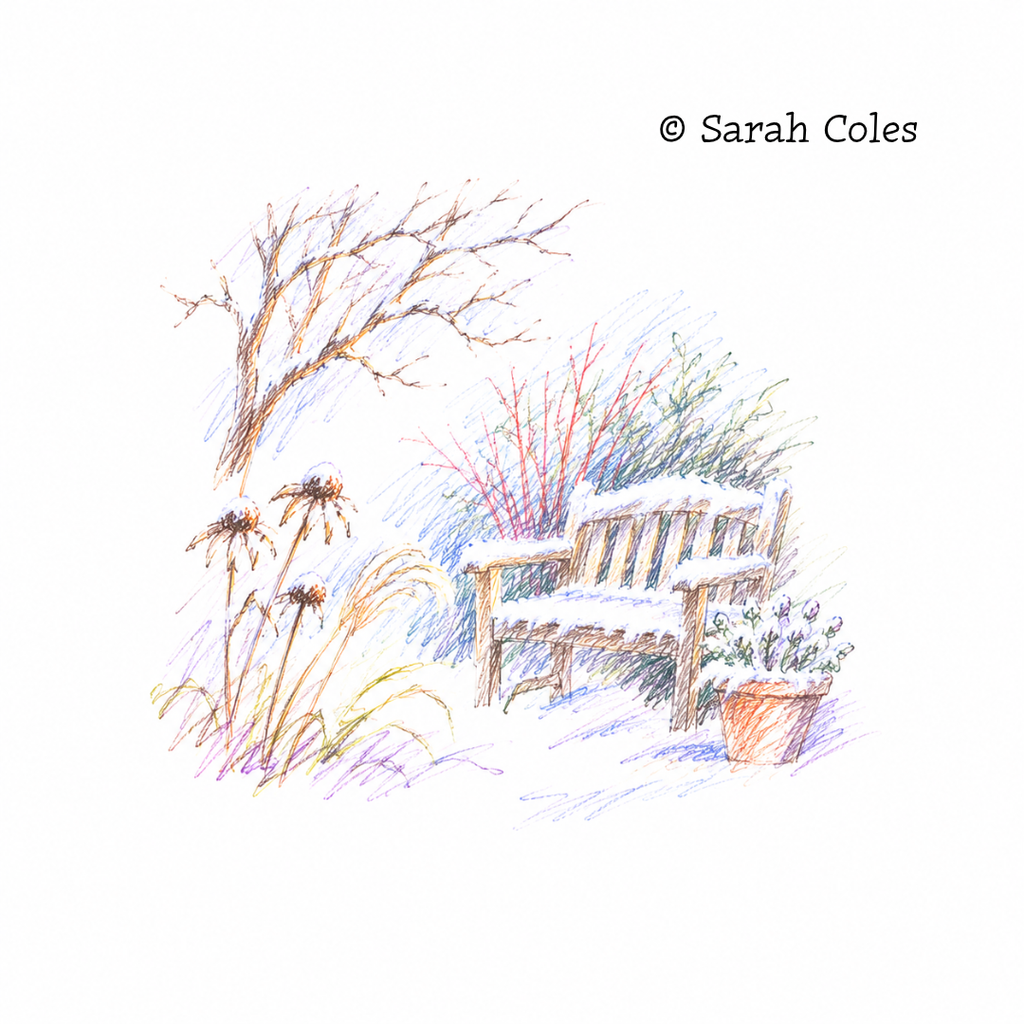
Frost catches on the dried flowerheads of sedums, ornamental grasses shimmer in the low winter sunlight, and the dark seedheads of rudbeckias bring structure to otherwise empty borders.
What might appear untidy in November can become one of the loveliest features of a December garden.
Leaving a few stems standing costs nothing, supports wildlife and may help protect plants through colder weather.
Sometimes doing less really is the better choice.
Looking After Winter Vegetables
The vegetable garden does not have to be completely empty during winter.
Hardy crops such as kale, leeks, Brussels sprouts and some winter cabbages can remain outdoors through cold weather, although their tolerance depends on the variety, growing conditions and severity of the frost.
Some vegetables even seem more appealing when harvested on a crisp winter day.
However, prolonged freezing weather can make harvesting difficult, and exposed crops may suffer damage.
A simple covering of horticultural fleece can help protect vulnerable plants from harsh winds and light frost.
For smaller crops, a homemade cloche can provide useful shelter.
A clear, rigid plastic container can sometimes be repurposed for temporary protection, provided it is clean, stable, safely secured and ventilated when temperatures rise.
It should not be allowed to overheat in sunshine or trap excessive moisture around the plants.
For gardeners growing vegetables on a budget, reusing suitable materials can be a practical alternative to purchasing new equipment.
It is also worth thinking ahead.
Harvesting crops before a prolonged freeze, where appropriate, may be easier than trying to protect everything outdoors.
Winter gardening often involves making the most of what is already growing rather than attempting to keep the vegetable plot as productive as it is in summer.
Protecting the Greenhouse and Cold Frame
An unheated greenhouse can provide valuable shelter during winter, particularly from wind, heavy rain and snow.
However, it is important to remember that an unheated greenhouse is not necessarily frost-free.
During prolonged cold spells, temperatures inside may fall below freezing.
Tender plants may therefore require additional insulation or a suitable source of heat.
Before severe weather arrives, check that the greenhouse glazing is secure, doors close properly and any damaged panels have been repaired.
Reused bubble wrap designed or safely fitted for greenhouse insulation can help reduce heat loss, although ventilation and light must still be considered.
A cold frame can also be useful for protecting hardy young plants and overwintering certain crops.
On mild, sunny days, remember to provide ventilation where necessary. Temperatures inside enclosed structures can rise surprisingly quickly, even during winter.
For gardeners without a greenhouse, a sheltered porch, frost-free outbuilding with suitable light or cool conservatory may offer temporary accommodation for vulnerable pots.
The best choice depends on the needs of the particular plant.
Be Careful with Watering
Cold weather changes the way plants use water.
Many plants grow very slowly during winter, while others are completely dormant.
As a result, they generally require less watering than they would during warmer months.
Excessively wet compost can be particularly troublesome when temperatures fall, as roots may suffer from waterlogged and cold conditions.
Check containers before watering rather than following a fixed routine.
Plants under cover may still need occasional attention, particularly evergreens that continue to lose moisture through their leaves.
However, avoid watering when the compost is frozen or a hard frost is imminent.
Good drainage is especially important during a British winter, when prolonged rainfall can be as damaging as cold temperatures for some plants.
Mediterranean herbs such as rosemary and thyme, for example, often cope better with cold when their roots are not sitting in wet soil.
Keeping plants slightly drier where appropriate can sometimes be more helpful than adding another layer of protection.
What If a Plant Has Already Been Damaged by Frost?
Even with careful preparation, winter weather can occasionally catch us by surprise.
A sudden hard frost may leave foliage blackened, stems drooping or leaves looking brown and lifeless.
It can be disappointing, particularly when a plant has been carefully tended throughout the year.
But frost damage does not always mean the plant has died.
Some hardy plants recover from their roots or dormant buds once warmer weather returns.
Resist the temptation to cut away every damaged stem immediately.
Dead-looking growth may still provide a little protection to the living parts beneath, and pruning too early can expose tender new growth to further frosts.
For many shrubs and perennials, it is better to wait until spring before assessing the full extent of the damage.
Once new growth begins, it becomes easier to see which parts have survived and which need removing.
Gardening requires patience at the best of times, and winter is certainly no exception.
A Little Preparation Goes a Long Way
Protecting the garden from frost and snow need not become another expensive winter task.
Often, the most useful materials are already close at hand.
Homemade compost can insulate the soil, old packaging can help protect pots, and a sheltered position beside the house may be enough to see a hardy container plant through a cold spell.
Leaving healthy perennial stems standing can protect plants and wildlife, while keeping an eye on the weather allows us to act before severe conditions arrive.
Not every plant needs wrapping, lifting or moving. Many hardy plants are well adapted to the British winter and are best left to follow their natural seasonal cycle.
The real skill lies in recognising which plants need help and allowing the rest of the garden to settle into its quieter months.
And there is something reassuring about that.
As frost gathers on the lawn and the last leaves collect beneath the hedges, the garden may appear to be sleeping. Beneath the soil, however, roots remain alive, dormant buds wait for longer days, and the natural rhythms of the seasons continue.
With a little care, some thoughtful preparation and a willingness to work with the weather rather than against it, we can help our gardens through winter without spending a fortune.
Then, when spring finally arrives, there will be the familiar pleasure of seeing fresh shoots emerge, knowing that the quiet work of winter has helped prepare the way for another growing year.
Further Reading: How to Make Your Garden Wildlife-Friendly This Winter: Helping Birds, Hedgehogs and Beneficial Insects, Winter-Flowering Honeysuckle: The Fragrance That Heralds Spring, Why Your Garden Soil Needs a Winter Blanket, The Art of Leaving the Garden Alone in Winter
For Inspiration Follow Me on Instagram, Facebook, Bluesky and Threads
