


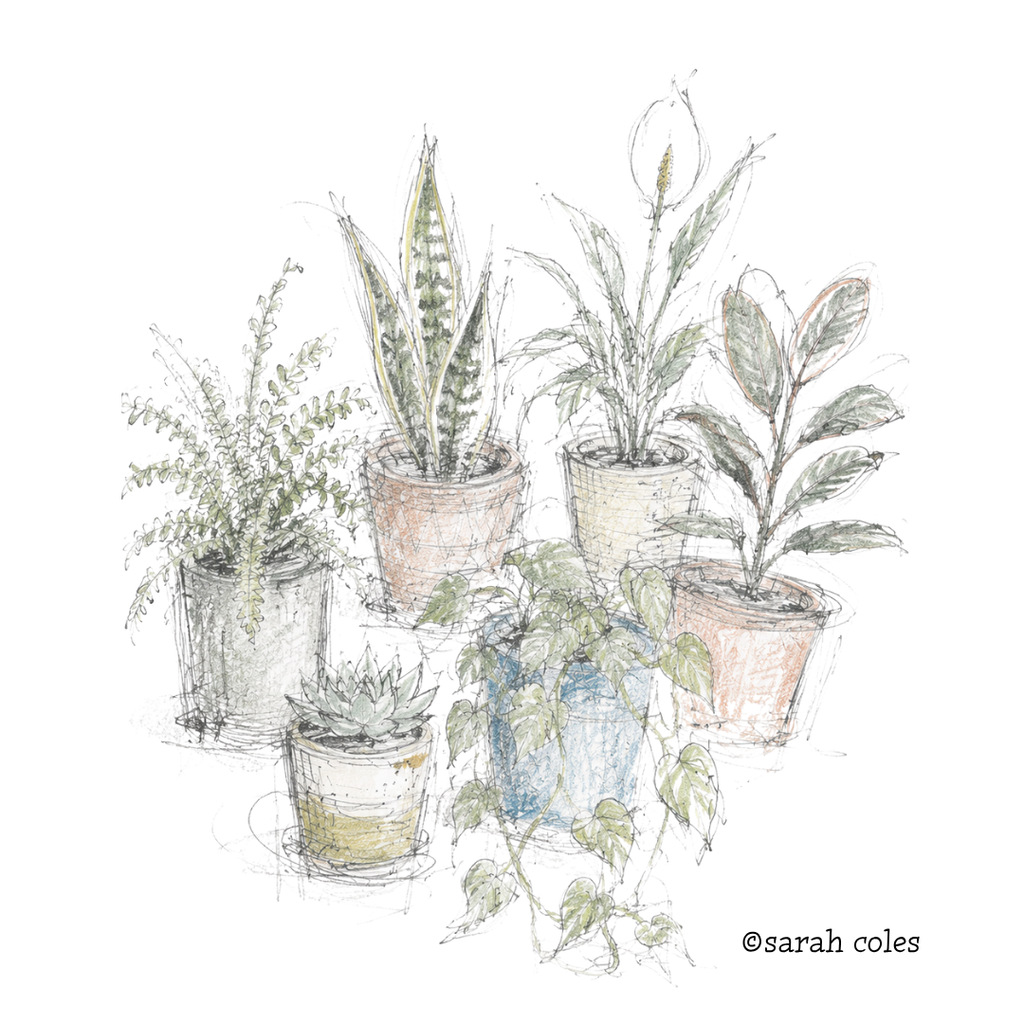
There is something cheering about a room filled with plants. A fern softens a bare shelf, a trailing pothos brings life to a quiet corner and the glossy leaves of a rubber plant catch the afternoon light beautifully.
Houseplants have found their way into almost every part of our homes, from steamy bathrooms to sunny kitchen windowsills. They can make a room feel calmer and offer the pleasure of watching something grow, even when outdoor space is scarce.
Keeping them healthy needn’t involve complicated routines or cupboards full of specialist products. Most houseplant problems come down to a handful of things: unsuitable light, too much water or a plant simply being in the wrong place.
The trick is to notice what your plants are telling you.
1. Get to know your houseplant
Before reaching for the watering can, find out what sort of plant you have. Keep the label when you buy it, or use a reliable plant-identification guide if its name has been lost.
Many popular houseplants come from tropical or subtropical regions, but that doesn’t mean they all enjoy the same conditions. A cactus accustomed to bright, dry surroundings will have very different needs from a fern that naturally grows beneath a leafy canopy.
Look up three things first: how much light the plant needs, how dry its compost should become between waterings and the lowest temperature it can tolerate. Once you understand those, much of the mystery disappears.
2. Choose a plant to suit the room
It is tempting to fall for a beautiful plant and decide where it will live afterwards. You’ll usually have better luck if you begin with the space.
Watch how the light moves through the room over the course of a day. A south-facing windowsill may receive intense sunshine in summer, while a corner several metres from the window may be much darker than it appears to us.
Cacti and many succulents appreciate a bright position. Peace lilies and cast-iron plants tolerate lower light levels, although no plant will flourish indefinitely in a completely dark corner.
Think about temperature and humidity too. Ferns often fare well in a bright bathroom, while succulents are happier somewhere warm and dry. Choosing the right plant for the conditions is much easier than trying to change the room to suit the plant.
3. Give it the right amount of light
Light is food for a plant, and too little of it can lead to weak, stretched growth and pale leaves. Too much direct sun, on the other hand, may scorch delicate foliage.
Bright, indirect light suits many common houseplants. This usually means a position near a window but away from the strongest midday sunshine. A thin curtain can help soften particularly fierce summer light.
Remember that conditions change with the seasons. A spot that is too bright in July may be ideal in January, when days are shorter and the sun is weaker. Moving a plant a little closer to the window in winter can make a noticeable difference.
Give pots a quarter turn every week or two if growth is leaning towards the light. This encourages a more even shape, although a gently lopsided plant has a charm of its own.
4. Water the compost, not the calendar
If there is one houseplant care tip worth remembering, it is this: check before you water.
A weekly watering routine sounds sensible, but plants do not follow calendars. Their needs change with the weather, temperature, pot size and speed of growth.
Push a finger a few centimetres into the compost. For many foliage plants, it is time to water when the surface has dried but there is still a little moisture deeper down. Succulents and cacti usually prefer their compost to dry more thoroughly.
When water is needed, give enough to moisten the whole root ball and allow the excess to drain away. Empty water from saucers and decorative outer pots afterwards. Roots need air as well as moisture, and leaving a plant standing in water can lead to rot.
Drooping doesn’t always mean thirst. Overwatered plants may wilt too, so feel the compost before adding more.
5. Use a pot with drainage
A handsome pot may catch your eye, but what happens at the bottom matters more than its colour.
Houseplants are best grown in containers with drainage holes. These allow surplus water to escape and help prevent the compost from becoming waterlogged. A plastic nursery pot can sit neatly inside a decorative cover pot, provided you take it out to water and allow it to drain before putting it back.
Choose a potting compost suited to the plant. Cacti and succulents need a free-draining mixture, while orchids require a loose, airy growing medium rather than ordinary multipurpose compost.
Repot only when the plant needs it—perhaps because roots are circling tightly inside the pot, emerging from the drainage holes or drying out unusually quickly. Move up by one pot size rather than placing a small plant in a vast container, where surplus compost can remain wet for too long.
6. Feed during active growth
The nutrients in potting compost do not last for ever. During spring and summer, when most houseplants are putting on new growth, an occasional feed can keep their leaves healthy and support flowering.
Use a suitable houseplant fertiliser and follow the instructions on the label. More is not better: too much feed can damage roots and cause a build-up of salts in the compost.
Most plants need little or no fertiliser during winter, when lower light levels slow their growth. There are exceptions, particularly plants that flower or continue growing actively in winter, so let the plant’s growth guide you.
Yellow leaves are not automatically a sign that feeding is needed. They can also be caused by overwatering, poor drainage, low light or the natural ageing of older foliage. Check the growing conditions before reaching for fertiliser.
7. Keep plants away from extremes
A plant may appear settled on a windowsill, only to struggle when winter arrives. Cold glass, draughts from an open window and sudden changes in temperature can all damage tender foliage.
Central-heating radiators create the opposite problem, surrounding plants with hot, dry air. Try to find a position with a reasonably steady temperature, away from radiators, heaters and frequently opened external doors.
Humidity-loving plants can benefit from being grouped together or placed in a naturally humid room, such as a bathroom with good daylight. A humidifier can help particularly demanding plants, although good airflow is still important.
Misting raises humidity only briefly and is not essential for most plants. If you enjoy doing it, check first that the foliage is suited to being sprayed; hairy leaves and some disease-prone plants are best kept dry.
8. Learn to read the leaves
Plants are quiet companions, but they are good at showing when something is wrong.
Soft, yellowing leaves and persistently wet compost can point to overwatering. Crisp brown edges may be caused by dry air, inconsistent watering or a build-up of minerals. Long gaps between leaves often suggest that the plant is reaching for more light.
A single yellow leaf is not usually a cause for alarm. Older leaves naturally fade and fall as a plant grows. Sudden or widespread changes deserve a closer look.
Check the stems and both sides of the leaves while you are there. Fine webbing, sticky residue, pale speckling or small bumps may indicate pests such as spider mites, aphids or scale insects. Catching an infestation early makes it much easier to manage.
If you bring home a new plant, keep it slightly apart from the rest of your collection for a week or two and inspect it carefully before introducing it to its neighbours.
9. Adjust your care with the seasons
Houseplants may live indoors, but they still notice the changing year.
During spring and summer, warmer temperatures and longer days encourage growth. Compost dries more quickly, and plants may need more frequent watering and regular feeding.
In autumn and winter, growth often slows. Allow a little longer between waterings and stop or reduce feeding unless the plant is actively growing. Move plants closer to available daylight where necessary, while keeping tender leaves away from cold window glass.
Dust can become more noticeable during the heating season. Wipe broad leaves gently with a damp cloth so they can make the most of limited winter light.
10. Prune, clean and pause before worrying
Removing dead or damaged leaves keeps a plant tidy and allows you to spot new problems more easily. Use clean, sharp scissors or secateurs and cut just above a healthy leaf or stem joint where appropriate.
Trailing and climbing plants can often be pinched back to encourage bushier growth. Some of the pieces you remove may even be suitable for propagation, giving you new plants to keep or pass on to friends.
Gently clean dusty foliage with a soft, damp cloth. Avoid leaf-shine products, which can leave an unnatural finish and may interfere with the leaf surface.
Most importantly, don’t feel that every blemish needs fixing. A torn leaf, a brown tip or a slightly wayward stem is part of growing a living thing, not a sign that you have failed.
Do houseplants purify the air?
Houseplants absorb carbon dioxide and release oxygen as part of photosynthesis, and laboratory studies have shown that some can remove pollutants from enclosed air.
In an ordinary home, however, you would need a very large number of plants to make a substantial difference to air quality. Opening windows when conditions allow, using extractor fans and dealing with sources of pollution are likely to have a much greater effect.
The clearest benefit of houseplants may be the pleasure they bring. Research discussed by the Royal Horticultural Society suggests that indoor plants can support wellbeing and help make homes and workplaces feel more pleasant.
That seems reason enough to find room for a few.
A little attention goes a long way
Caring for houseplants is not about following a perfect routine. It is about paying attention: feeling the compost, noticing where the sunlight falls and looking closely when a leaf begins to change.
Some plants will thrive straight away. Others may take a little moving, trimming or patient detective work before they settle. You may lose one occasionally too; every gardener does.
Start with plants suited to your home, water only when they need it and allow their care to change with the seasons. Before long, checking for a new leaf or turning a pot towards the light becomes part of the gentle rhythm of the room.
Meta title: How to Care for Houseplants: 10 Essential Tips
Meta description: Discover how to care for houseplants with simple advice on watering, light, feeding, repotting and seasonal care for healthy indoor plants.
Further Reading: RHS Houseplants, My Garden Journal & Notes
