


There is something quite extraordinary about an amaryllis. From a seemingly ordinary bulb emerges a tall, elegant stem, crowned with magnificent trumpet-shaped flowers in the richest shades of red, pink and white. And all this happens in the depths of winter, when the garden outside is quietly resting.
Few houseplants make quite the same impression as an amaryllis. Its flowers are wonderfully dramatic, sometimes reaching more than 20 centimetres across, yet the plant itself asks for surprisingly little in return.
Often given as a Christmas gift or grown to brighten a winter windowsill, the amaryllis has become a familiar part of the festive season. But there is much more to this remarkable bulb than its seasonal display.
Behind those beautiful flowers lies a fascinating botanical history, a natural growing cycle shaped by the seasons and the rather satisfying possibility of keeping the same bulb flowering for many years.
Whether you’re growing your first amaryllis or hoping to encourage an old favourite to flower again, understanding a little about its natural habits makes all the difference.
What Is an Amaryllis?
The plants we commonly call amaryllis are actually members of the genus Hippeastrum, a group of bulbous perennials belonging to the Amaryllidaceae family.
Native to tropical and subtropical regions of the Americas, particularly South America, these plants have been cultivated and hybridised for generations to produce the spectacular flowers we enjoy today.
In their natural surroundings, many species grow in places where periods of active growth are followed by drier or cooler conditions. Their substantial bulbs act as underground stores of energy, allowing the plants to survive less favourable periods and produce flowers when conditions improve.
It is this remarkable ability to store energy that makes the amaryllis such a rewarding plant to grow indoors.
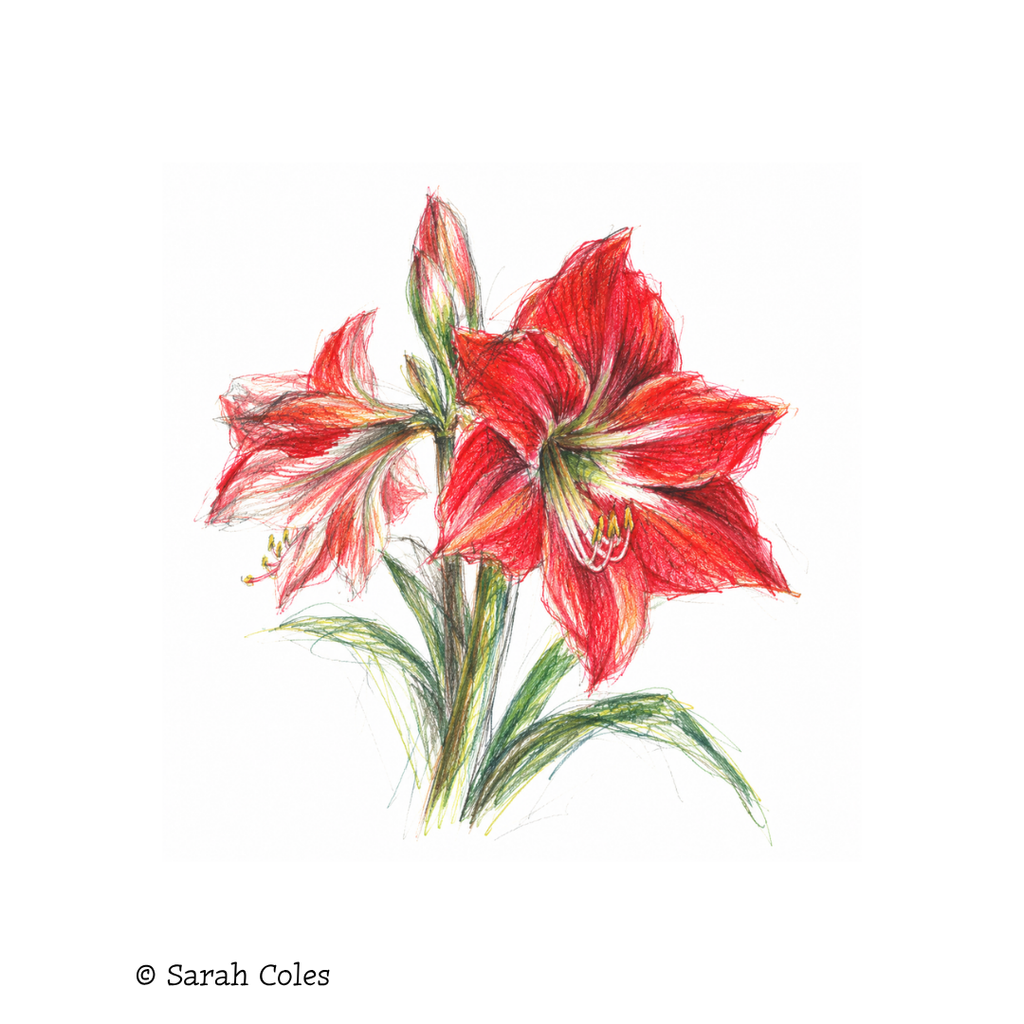
A healthy bulb can produce one or more sturdy, hollow flower stems, each carrying several large, trumpet-shaped blooms. Some varieties produce flowers of a single rich colour, while others have delicate stripes, contrasting edges or beautifully blended shades.
Deep crimson and scarlet remain traditional favourites, particularly at Christmas, but there are also soft pinks, salmon, pure whites, greenish tones and striking two-coloured varieties.
Some have simple, elegant petals, while others produce extravagant double flowers that look almost too elaborate to be real.
The long, strap-shaped green leaves may appear before, during or after flowering, depending on the variety and growing conditions.
And although the flowers are undoubtedly the main attraction, those leaves have an important job to do once the display has finished.
The Fascinating History of the Amaryllis
The story of the amaryllis stretches back centuries, although its familiar name has caused more than a little botanical confusion along the way.
In 1753, the Swedish botanist Carl Linnaeus established the genus Amaryllis, grouping together plants that we now know belong to different botanical lineages.
As botanical knowledge developed, it became clear that the South American bulbs commonly grown as houseplants were distinct from the true amaryllis of southern Africa.
The genus Hippeastrum was formally established in 1821, and it is under this name that our familiar indoor flowering bulbs are now classified.
The true Amaryllis genus includes Amaryllis belladonna, often known in Britain as the belladonna lily or naked lady, which is a different plant altogether.
Despite the distinction, the name amaryllis has remained firmly attached to Hippeastrum in everyday gardening language.
During the eighteenth and nineteenth centuries, European plant collectors and nurseries became increasingly interested in the remarkable bulbs arriving from South America.
Their enormous flowers, rich colours and unusual forms offered exciting possibilities for cultivation.
British and European nurseries began experimenting with hybridisation, selecting plants for larger blooms, stronger stems and increasingly varied colours.
By the Victorian period, these impressive flowering bulbs had become desirable additions to conservatories and glasshouses, where their exotic appearance was particularly admired.
Over time, growers developed the modern large-flowered hybrids that are now widely available, making a once rather exclusive plant accessible to almost anyone with a sunny windowsill.
The Meaning and Folklore of the Amaryllis
Flowers have long carried meanings beyond their beauty, and the amaryllis is no exception.
Its name has associations with classical poetry and the pastoral traditions of ancient Greece and Rome, where Amaryllis appeared as the name of a shepherdess.
A later romantic legend tells of a young woman named Amaryllis who fell in love with a shepherd. According to the story, she pierced her heart with a golden arrow, and from the drops of blood that fell upon the ground, beautiful red flowers appeared.
Although this is a romantic tale rather than a botanical history, it has contributed to the flower’s enduring associations with love, determination and beauty.
In the language of flowers, amaryllis has also been associated with pride, strength and splendid beauty, perhaps unsurprisingly given the confidence with which its enormous blooms rise above the foliage.
Today, its rich red and white flowers have made it a favourite for Christmas displays, although there is something equally appealing about an amaryllis flowering in January or February, when a little colour can feel especially welcome.
Why Grow Amaryllis Indoors?
One of the great pleasures of growing amaryllis is watching the transformation from bulb to flower.
At first, there may be very little to see. Then a small green shoot appears, followed by a flower stem that seems to grow taller almost every day.
Before long, the tightly wrapped buds begin to swell and separate, revealing the first glimpse of the colour hidden inside.
It is a lovely process to follow, particularly during winter when there is less happening in the garden.
Amaryllis are also wonderfully practical plants.
They need relatively little space, making them suitable for windowsills, bright rooms and conservatories. Their flowers create an impressive display without the need for complicated growing techniques or specialist equipment.
A good-sized bulb may produce more than one flower stem, extending the display over several weeks.
And unlike many seasonal plants that are discarded once flowering has finished, an amaryllis can be kept and encouraged to bloom again.
With the right care, a healthy bulb may remain productive for many years.
When to Plant Amaryllis Bulbs in the UK
If you would like your amaryllis to flower during winter, autumn and early winter are the usual times to plant.
Bulbs are commonly available from September onwards, although those sold specifically for Christmas flowering may already have been prepared by commercial growers to encourage an earlier display.
As a general guide, many prepared amaryllis bulbs flower around six to ten weeks after planting, although the timing varies according to the variety, the bulb’s previous growing conditions and the temperature in your home.
If you’re hoping for flowers at Christmas, planting in October or early November can give you a reasonable chance, particularly when using bulbs sold for festive flowering.
However, nature doesn’t always follow a calendar quite as precisely as we might wish.
Some bulbs flower sooner, others take their time, and occasionally a plant decides that January is a perfectly good month to put on its finest display.
Staggering your planting over several weeks is a lovely way to enjoy amaryllis flowers throughout winter.
How to Plant an Amaryllis Bulb
Planting an amaryllis is straightforward, although choosing the right pot and compost will help get your bulb off to a healthy start.
Begin with a firm, healthy bulb. It should feel solid rather than soft, with no obvious signs of mould, decay or damage.
Larger bulbs often have the potential to produce more flower stems, although flowering also depends on the variety and how well the bulb has been grown.
Choosing the Right Pot
Amaryllis bulbs prefer a fairly snug pot, rather than one with lots of spare compost around the roots.
Choose a container with drainage holes that is approximately 2–5cm wider than the bulb.
The pot should also be deep enough to accommodate the roots comfortably and sufficiently stable to support the tall flowering stems.
A heavy terracotta or ceramic pot can be particularly useful, as large flowers sometimes make the plant rather top-heavy.
The Best Compost for Amaryllis
Use a good-quality, free-draining potting compost.
A peat-free multipurpose compost with added perlite or horticultural grit can work well, helping excess water drain away while retaining enough moisture for healthy root growth.
Avoid heavy garden soil, which can become compacted and waterlogged in containers.
Planting the Bulb
Position the bulb so that approximately the upper third remains visible above the compost.
This is important because burying the bulb too deeply can encourage moisture to collect around its neck, increasing the risk of rot.
Firm the compost gently around the roots and lower part of the bulb, making sure it sits securely.
Water lightly after planting, then place the pot somewhere bright and comfortably warm.
A temperature of around 18–21°C is suitable for encouraging growth.
At this early stage, avoid keeping the compost constantly wet. Until the bulb has developed active roots and shoots, it will need relatively little water.
Then comes the enjoyable part: waiting for the first signs of life.
How to Care for Amaryllis While It Is Flowering
Once growth begins, an amaryllis is generally an easy plant to look after.
A little attention to light, warmth and watering will help it produce strong stems and beautiful flowers.
Light and Temperature
Amaryllis appreciate a bright position with plenty of natural daylight.
A sunny windowsill can be ideal during the British winter, although it is worth moving the plant away from intense sunlight or excessive heat once the flowers have opened.
Warm conditions encourage growth, but slightly cooler temperatures can help the blooms last longer.
Keep the plant away from radiators, cold draughts and places where temperatures fluctuate dramatically.
As the flower stem grows, turn the pot occasionally to prevent it leaning too strongly towards the light.
Watering Your Amaryllis
The secret to watering amaryllis is to avoid extremes.
The compost should never remain waterlogged, but once the plant is actively growing, it should not be allowed to become completely dry for long periods either.
Check the compost with your finger and water when the upper layer begins to feel dry.
Allow excess water to drain away and never leave the pot standing in a saucer of water.
Water around the compost rather than directly into the neck of the bulb.
Overwatering is one of the most common causes of problems, particularly before the plant has established a strong root system.
Supporting the Flower Stems
Some amaryllis varieties produce exceptionally tall stems carrying several substantial flowers.
As the buds open, the weight can cause the stems to lean.
A slender cane or discreet plant support can help prevent damage, especially if the pot is positioned somewhere it might be knocked.
Insert supports carefully to avoid damaging the bulb or roots.
How Long Do Amaryllis Flowers Last?
Individual amaryllis flowers may remain attractive for around a week or longer, depending on the temperature and growing conditions.
Because the buds often open in succession, a single flower stem can provide a display lasting several weeks.
Bulbs that produce two or more stems may flower over an even longer period.
Once the flowers have faded, remove them to prevent the plant putting energy into seed production.
When every flower on a stem has finished, the stem can be cut back near the bulb.
Leave the green foliage in place, however, as it is essential for the next stage of the plant’s life.
What to Do With an Amaryllis After Flowering
This is where many amaryllis bulbs meet an unnecessarily early end.
Once the magnificent flowers have faded, the plant may look rather ordinary. The tall stems have gone, leaving a collection of long green leaves that seem a little disappointing compared with the earlier display.
But this is actually one of the most important stages of the growing cycle.
Those leaves are busy capturing sunlight and converting it into energy, which is stored in the bulb for future growth and flowering.
Cutting them off too early can weaken the plant and reduce its chances of flowering again.
Instead, keep your amaryllis in a bright position and continue watering whenever the compost begins to dry.
During active leafy growth, feed occasionally with a balanced liquid fertiliser, following the manufacturer’s instructions.
The aim is to encourage strong, healthy foliage for as long as possible.
Think of it as the plant quietly preparing for next winter’s performance.
Can Amaryllis Grow Outside in Summer?
Although amaryllis are usually grown indoors in Britain, they can benefit from spending the warmer months outside.
Once all risk of frost has passed and night-time temperatures are reliably mild, move your plant into a sheltered position in the garden.
Introduce it gradually to outdoor conditions, beginning in light shade before moving it somewhere brighter.
Avoid exposing the leaves suddenly to strong sunshine, as this can cause scorching.
A sheltered patio, courtyard or warm garden corner can provide excellent summer growing conditions.
Continue watering and feeding during active growth, keeping an eye out for slugs and snails, which may damage the leaves.
Outdoor summer growing can help the bulb build up the energy it needs for another flowering season.
Bring the plant back indoors before temperatures fall significantly in autumn.
Amaryllis are not reliably hardy in the UK, so they should never be left outdoors where frost is likely.
How to Get an Amaryllis to Flower Again
Encouraging an amaryllis to flower for a second year is one of the most rewarding parts of growing these beautiful bulbs.
And although the process is sometimes described as complicated, it is really about allowing the plant to complete its natural cycle.
The most important thing is to keep the leaves growing healthily after flowering so that the bulb can replenish its energy reserves.
Does an Amaryllis Need a Dormant Period?
Many commercially grown amaryllis bulbs are encouraged to flower at particular times through carefully managed growing and resting periods.
At home, a cool, relatively dry rest can help make flowering more predictable, particularly if you’re hoping for blooms around Christmas.
However, not every Hippeastrum needs to lose all its leaves or undergo a strictly enforced dormancy to flower again.
Some plants remain evergreen under favourable conditions and may produce flowers naturally after a period of healthy growth.
If you want to encourage a winter display, you can begin reducing watering towards late summer or early autumn, provided the bulb has enjoyed several months of active growth.
Allow the compost to become drier and stop feeding.
If the leaves naturally yellow and die back, remove them once they have withered.
Keep the bulb in its pot somewhere cool, dry and frost-free for approximately eight to ten weeks, avoiding excessive moisture.
A temperature of around 10–15°C is often suitable for a resting bulb.
When you’re ready to encourage new growth, move the pot back into a brighter, warmer position and begin watering cautiously.
Increase watering as roots and shoots become active.
With patience, a new flower stem may appear.
Occasionally, an amaryllis will produce plenty of healthy leaves but no flowers. This often means the bulb has not yet stored sufficient energy, or that growing conditions have not been quite right.
Rather than giving up, allow it another season of good light, careful watering and feeding.
Gardening is full of small lessons in patience, and the amaryllis is a particularly good teacher.
Common Amaryllis Problems and How to Avoid Them
Amaryllis are generally reliable plants, but occasionally something goes wrong.
Fortunately, many problems can be avoided with a little understanding of what the plant needs.
Why Is My Amaryllis Not Flowering?
A bulb that produces leaves but no flower stem may not have stored enough energy during the previous growing season.
Insufficient light, early removal of leaves, poor feeding or an immature bulb can all contribute.
Give the plant plenty of light and allow its foliage to grow for several months before attempting another flowering cycle.
Why Are the Leaves Turning Yellow?
Yellowing leaves can be a natural sign that the plant is entering a resting period.
However, if leaves turn yellow while the plant should be actively growing, check for overwatering, poor drainage or root problems.
Soft, discoloured bulbs may indicate rot.
Why Is My Amaryllis Growing Tall and Leaning?
Flower stems naturally grow towards the light.
Insufficient light can also encourage weak, elongated growth.
Move the plant somewhere brighter, rotate the pot occasionally and provide support if necessary.
Why Are the Flower Buds Not Opening?
Sudden temperature changes, insufficient moisture during active growth or poor growing conditions may cause buds to fail.
Keep the plant somewhere bright, sheltered and comfortably warm, and avoid allowing the compost to become excessively dry once the flower stem is developing.
Are Amaryllis Poisonous to Pets?
As beautiful as they are, amaryllis should be treated with care around pets and young children.
All parts of Hippeastrum contain potentially harmful alkaloids, with the bulb presenting a particular concern.
If eaten, the plant can cause symptoms including vomiting, drooling, diarrhoea and abdominal discomfort. More serious effects are possible, particularly if a substantial amount is consumed.
Keep bulbs and plants out of reach of curious cats, dogs and children, and seek veterinary advice promptly if you suspect a pet has eaten any part of the plant.
Wear gloves if you have sensitive skin when handling damaged bulbs or cutting stems.
Choosing the Best Amaryllis Varieties
Part of the pleasure of growing amaryllis is discovering just how many beautiful varieties are available.
Some are wonderfully traditional, with enormous scarlet flowers that seem made for Christmas. Others are more delicate, with softly coloured petals and elegant markings.
A few particularly lovely varieties to look out for include:
- ‘Red Lion’ – A classic choice with large, rich red flowers and a wonderfully traditional appearance.
- ‘Apple Blossom’ – Soft white flowers brushed with pink, bringing a gentler, more romantic feel.
- ‘Minerva’ – Striking red petals with a contrasting white star at the centre.
- ‘Picotee’ – Elegant white flowers delicately edged in red.
- ‘Dancing Queen’ – A beautiful double-flowered variety with layers of red and white striped petals.
When choosing bulbs, look for firm, healthy specimens from a reputable supplier.
Large bulbs are often capable of producing a more substantial display, although variety and previous growing conditions also play an important part.
And while the familiar red varieties are difficult to resist at Christmas, there is something particularly lovely about growing a collection of different colours to brighten the weeks that follow.
A Little Winter Magic
There is something rather special about a plant that chooses the darkest months of the year to produce its most magnificent flowers.
While the garden outside rests beneath winter skies, an amaryllis quietly gets on with the business of growing. First a small green shoot, then a rising stem, followed by the gradual unfolding of flowers that seem almost impossibly large for the bulb from which they came.
And perhaps the greatest pleasure is knowing that the display needn’t be a one-off.
With a little care, the same bulb can be encouraged to grow and flower again, becoming a familiar part of the changing seasons and, perhaps, a small tradition of its own.
Because gardening isn’t always about having something new. Sometimes it is about looking after what we already have, understanding its needs and enjoying the quiet satisfaction of seeing it flourish year after year.
Further Reading: Putting the garden to bed for winter, Poinsettia Care: How to Keep Your Christmas Poinsettia Looking Beautiful
For Inspiration Follow Me on Instagram, Facebook, Bluesky and Threads
