


There’s something particularly satisfying about growing chillies. From the first green shoots appearing on a windowsill to the jewel-bright fruits ripening in late summer, they bring colour, flavour and a little excitement to even the smallest growing space.
And you don’t need a large vegetable garden to enjoy them. Given plenty of warmth and sunshine, chilli plants can thrive in pots on a sheltered patio, in a greenhouse or on a sunny windowsill. With varieties ranging from gently warming to extraordinarily hot, there’s a chilli to suit almost every gardener – and every appetite.
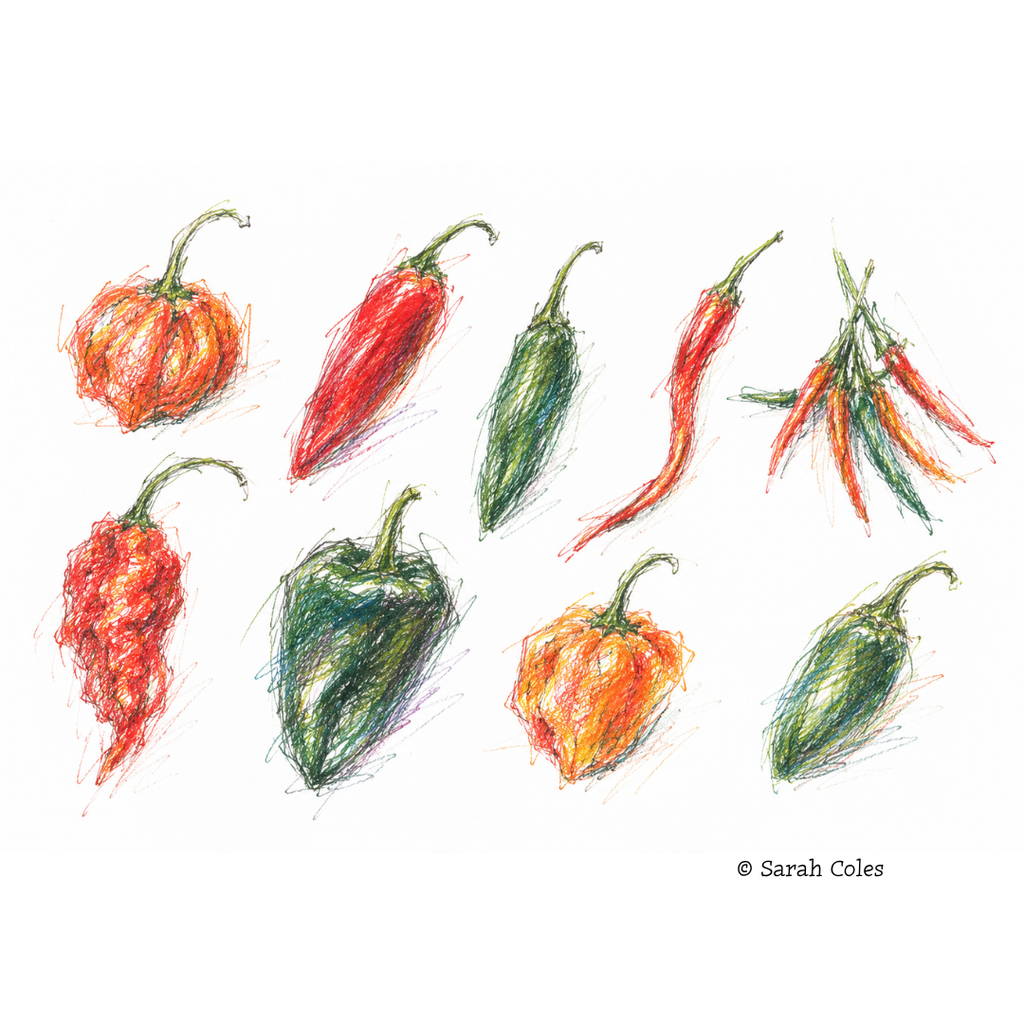
If you’re thinking of growing your own, here are 10 varieties worth making room for.
Jalapeño
A good place to begin, jalapeños are among the most familiar and versatile chillies. Their plump, glossy green fruits have a noticeable warmth without being overwhelmingly hot, making them useful for everything from homemade salsa and pickles to sauces and stuffed chillies.
Jalapeño plants appreciate a warm, sunny position and a long growing season. Sow them early in the year somewhere warm and protected, then move plants outside only when the risk of frost has passed. The fruits can be picked green or left to ripen to red for a sweeter, more mature flavour.
Habanero
Small, lantern-shaped habaneros may look cheerful, but they carry considerably more heat than a jalapeño. Beneath that fieriness is a distinctive fruity, almost floral flavour, which makes them particularly good for hot sauces, marinades and dishes where a little chilli goes a long way.
Habaneros need warmth and patience. They benefit from an early start and will usually perform best in a greenhouse, conservatory or another warm, sheltered spot. Given enough sunshine, the fruits ripen into vivid shades of orange, red and other colours depending on the variety.
Take care when preparing them, as their oils can irritate skin and eyes.
Poblano
For something gentler, try a poblano. These broad, dark green chillies have a mild to medium heat and a rich flavour that becomes sweeter and deeper when roasted.
Their generous size makes them particularly good for stuffing, while roasted poblanos can be added to soups, stews and sauces. They enjoy warmth but aren’t quite as demanding as some of the hotter varieties, making them a rewarding choice if you’d like a useful culinary chilli rather than simply chasing heat.
When fully ripe and dried, poblanos become the deep red-brown chillies known as anchos.
Anaheim
Long, slender Anaheim chillies offer gentle warmth and plenty of flavour. They’re a useful all-rounder in the kitchen, particularly for roasting, grilling and adding to sauces, stews and salads.
The plants appreciate a sunny, sheltered position and can produce a generous crop in a good summer. Pick the fruits while they’re green for a fresher flavour or allow them to turn red on the plant for greater sweetness and depth.
Ghost pepper
The ghost pepper, or Bhut Jolokia, is one for experienced chilli growers – and cautious cooks. Once celebrated as one of the hottest chillies in the world, it is vastly hotter than everyday varieties such as jalapeños.
Growing ghost peppers can be a rewarding challenge. They need a long season, consistently high temperatures and plenty of sunshine, so they’re best suited to greenhouse growing in much of the UK. Starting seeds early gives the plants the best chance of producing ripe fruit before autumn temperatures fall.
If you do harvest them, handle the fruits with great care, preferably wearing gloves, and use only very small amounts in cooking.
Thai chillies
Don’t be deceived by their size. Thai chillies are often small and slender, but they can deliver a formidable burst of heat.
The compact plants are attractive as well as productive, carrying clusters of colourful fruits that ripen from green to red. They like plenty of warmth and sunshine, so a greenhouse or sheltered sunny position will help them flourish.
In the kitchen, they’re particularly useful for curries, stir-fries, soups and dipping sauces. One or two can transform an entire dish.
Cayenne
Long, narrow cayenne chillies are a fine choice if you enjoy making your own chilli flakes, powders or sauces. The fruits generally begin green before ripening to a brilliant red, bringing plenty of colour to the garden as summer progresses.
Cayenne plants enjoy warmth and a sunny position and can be impressively productive when conditions suit them. Use the fresh fruits in sauces, soups and marinades, or dry your harvest to preserve that welcome heat for the colder months.
Serrano
Serrano chillies resemble smaller, slimmer jalapeños, but they usually pack rather more heat. Their fresh, bright flavour makes them particularly good in salsa, guacamole and sauces.
The plants appreciate warmth and regular picking. Fruits can be harvested while green or allowed to mature through shades of orange and red. If you already grow jalapeños and fancy trying something a little livelier, serranos are a natural next step.
Fresno
With their neat, tapered shape and glossy skin, Fresno chillies are as attractive on the plant as they are useful in the kitchen. Young green fruits have a fresh flavour, while ripe red ones become sweeter and fruitier, accompanied by a pleasant chilli heat.
They’re particularly good for pickling, sauces and salsas, or finely sliced over salads and other dishes. Grow them somewhere warm and sunny and give the fruits time to colour if you want to enjoy them at their sweetest.
Scotch bonnet
A staple of Caribbean cooking, the Scotch bonnet is famous for its intense heat – but there’s much more to it than fire alone. The fruits have a wonderfully fruity character, with a sweetness that works particularly well in Caribbean sauces, marinades and traditional jerk dishes.
Like habaneros, Scotch bonnets need a long, warm growing season. In the UK, they’re most reliable under glass or in another protected, sun-filled spot. Sow early and be patient: the distinctive bonnet-shaped fruits are well worth waiting for.
As with other very hot chillies, wear gloves when handling the fruits and take particular care not to touch your face or eyes.
How to get the best from your chilli plants
Whichever variety you choose, warmth is the secret to a good crop. Chilli seeds are best started indoors, where they can germinate in consistently warm conditions. As the seedlings grow, give them as much light as possible and gradually acclimatise them before putting plants outside after the danger of frost has passed.
A sunny, sheltered wall, greenhouse or conservatory can help provide the extra warmth they need. Keep plants watered during dry weather, but avoid leaving their roots sitting in water. Once flowers and fruits begin to develop, regular feeding with a suitable high-potash feed can encourage a healthy crop.
And don’t be too quick to give up on your plants when autumn arrives. Chillies are perennial plants, although they’re often grown as annuals in Britain. With protection from frost and the right conditions, it’s possible to overwinter plants and encourage them back into growth the following year.
Turn up the heat
Part of the pleasure of growing chillies is discovering just how varied they can be. Some bring a gentle warmth, others offer wonderfully fruity flavours, and a select few provide enough heat to challenge even the most adventurous cook.
Start with a dependable jalapeño or poblano, experiment with cayenne or serrano, or make space in the greenhouse for a fiery Scotch bonnet or ghost pepper. Whichever you choose, few things beat picking a sun-warmed chilli you’ve grown yourself and carrying it straight from the garden to the kitchen.
Just remember: the smallest fruit isn’t always the mildest.
Further Reading: The Scoville Scale: How Hot Is Your Chilli?, How to Preserve Chillies: Freezing, Drying and Pickling Your Harvest, How to grow chillies: from seed to fiery harvest, The Scoville Scale: How Hot Is Your Chilli?
