


Some of our most familiar garden plants have a dangerous side. Here is how to recognise six poisonous plants found in Britain, garden around them sensibly and know what to do if something goes wrong.
There is a foxglove at the edge of my garden that returns every other summer. It chooses its own place — usually somewhere between the ferns and the old stone wall — and sends up a spire of dusky pink bells. Bees disappear into one flower and emerge, dusted with pollen, from the next. It is difficult to imagine a more generous garden plant.
Yet every part of that foxglove is poisonous if eaten.
Gardens are full of such contradictions. A plant may be beautiful, valuable to wildlife and steeped in history, while also containing substances that can make people or animals seriously ill. This is not a reason to fear the garden, nor to grub up every unfamiliar leaf. It is a reason to know what we grow.
For most of us, sensible precautions are enough: identify plants properly, teach children not to eat berries or leaves, keep a watchful eye on pets and wear gloves when handling anything that may irritate the skin. A little knowledge allows us to enjoy these plants with respect rather than alarm.
Six poisonous plants to know in the UK
This is not a definitive league table of Britain’s “deadliest” plants. Toxicity depends on the plant, the amount, the route of exposure and the person or animal involved. These six are included because they are especially hazardous, well known or easily encountered in gardens and the wider countryside.
Foxglove (Digitalis purpurea)
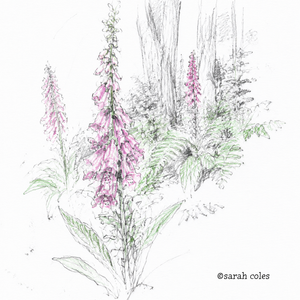
Few sights belong to early summer quite like foxgloves rising through a woodland edge. Their tall stems of pink, purple or white bells are loved by bumblebees, which crawl deep inside in search of nectar.
All parts of the plant contain cardiac glycosides, chemicals that affect the heart. If eaten, foxglove can cause nausea, vomiting, confusion and changes to the heart’s rhythm; serious poisoning can be life-threatening.
The plant’s scientific name, Digitalis, is also familiar from medicine. Drugs derived from related compounds have been used to treat certain heart conditions, but this is precise medical treatment — never a reason to experiment with the plant at home.
How to garden with it: Wear gloves when cutting back or collecting seed, wash your hands afterwards and keep discarded material away from children and animals.
Deadly nightshade (Atropa belladonna)
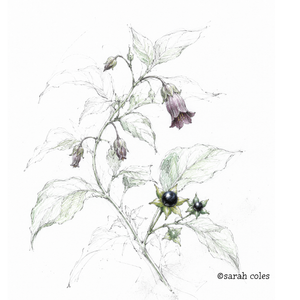
Deadly nightshade is less common in gardens than its reputation might suggest. It favours chalky ground, scrub and woodland, particularly in parts of southern and central England. Its dull purple-brown, bell-shaped flowers are followed by glossy black berries held in a green, star-like calyx.
Those berries can look temptingly like cherries. The whole plant is poisonous, but the berries pose a particular risk to children. Its tropane alkaloids can cause a dry mouth, dilated pupils, a racing heart, confusion, hallucinations, seizures and, in severe cases, death.
The name belladonna — “beautiful lady” — recalls the plant’s historic use in eye preparations that enlarged the pupils. It is a good example of why old herbal practices should be treated as history, not instruction.
How to garden with it: Do not taste a berry to help identify it. If it appears where children or pets play, seek reliable identification and advice before removal.
Hemlock (Conium maculatum)
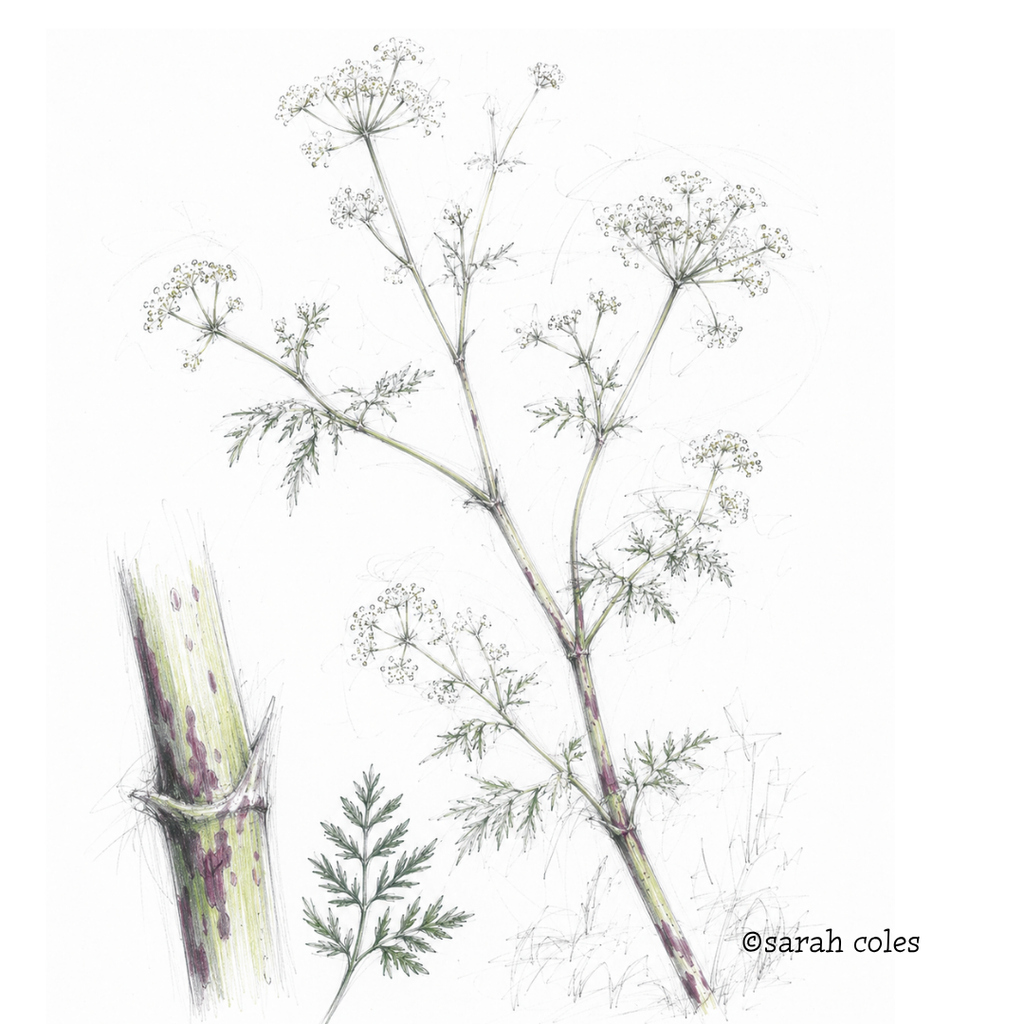
Hemlock grows on waysides, waste ground, riverbanks and field edges. It belongs to the carrot family and carries broad heads of small white flowers. Look for smooth, hollow stems marked with purple or reddish blotches and finely divided, fern-like leaves. When crushed, the foliage has an unpleasant, musty smell — although handling an unknown plant simply to smell it is unwise.
Every part of hemlock is poisonous. Its alkaloids affect the nervous system and can cause weakness, paralysis and respiratory failure. It is famously associated with the death of the Greek philosopher Socrates.
Identification matters enormously. Several white-flowered members of the carrot family resemble one another, including cow parsley and other harmless or edible species. Hemlock water-dropwort (Oenanthe crocata) is a different, highly poisonous plant, usually associated with wet ground.
How to garden with it: Never forage from the carrot family unless you have expert-level identification skills. If you suspect hemlock on your land, keep people and livestock away while you obtain a positive identification.
Yew (Taxus baccata)
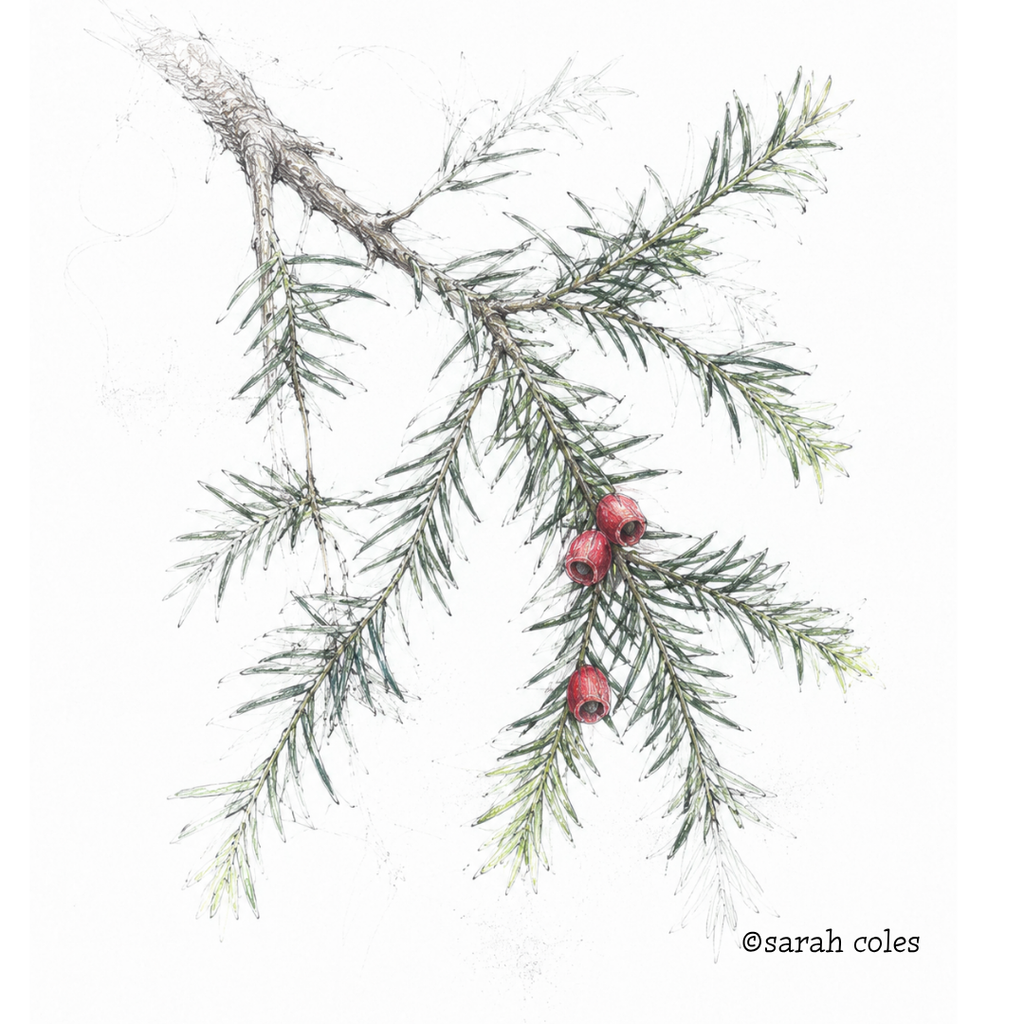
Yew is one of Britain’s great trees: long-lived, darkly evergreen and at home in churchyards, old estates and clipped garden hedges. Its dense growth shelters wildlife, while its red fruits bring a flash of colour in autumn.
Nearly all parts of yew contain poisonous taxine alkaloids. The red, fleshy aril is the exception, but the seed inside it is poisonous and should not be eaten. Ingestion can cause dizziness, trembling, breathing difficulties, dangerous changes to heart rhythm and cardiac arrest. Fallen clippings are also a serious risk to horses and livestock.
How to garden with it: Collect hedge clippings carefully and prevent them from reaching grazing animals. Do not leave branches where a dog may chew them, and never use yew as a home remedy.
Monkshood (Aconitum napellus)
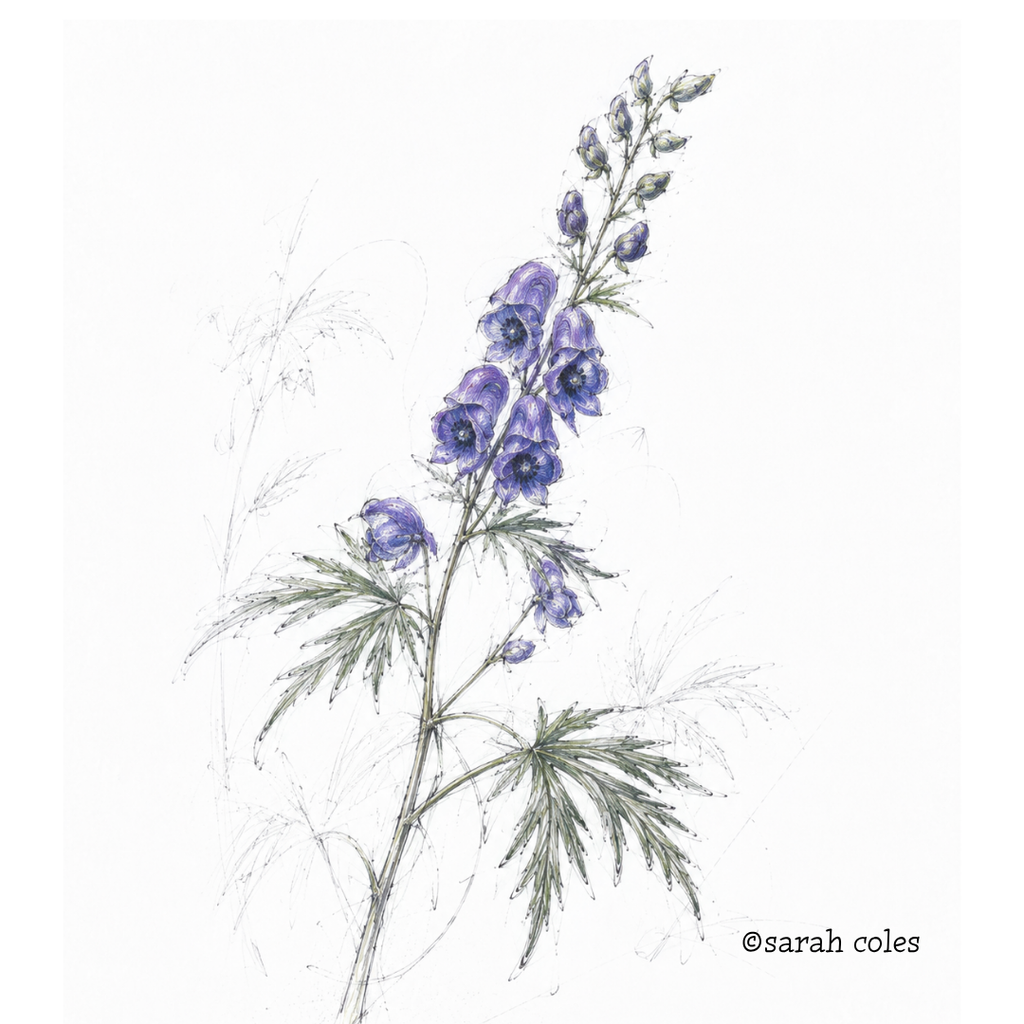
With its upright stems and deep blue-violet flowers, monkshood brings drama to a shady border in late summer. Each flower has a hooded upper petal, which gives the plant its common name; it is also known as aconite or wolfsbane.
All parts are highly poisonous, particularly the roots. Aconitine and related compounds interfere with nerves and the heart. Poisoning may cause tingling or burning, numbness, sickness, weakness and potentially fatal heart rhythm disturbances. Sap can also be absorbed through damaged skin.
How to garden with it: Wear waterproof gloves and cover cuts when handling the plant. Clean tools afterwards. In a garden used by small children or persistent plant-chewing pets, it may be wiser to choose something else.
Giant hogweed (Heracleum mantegazzianum)
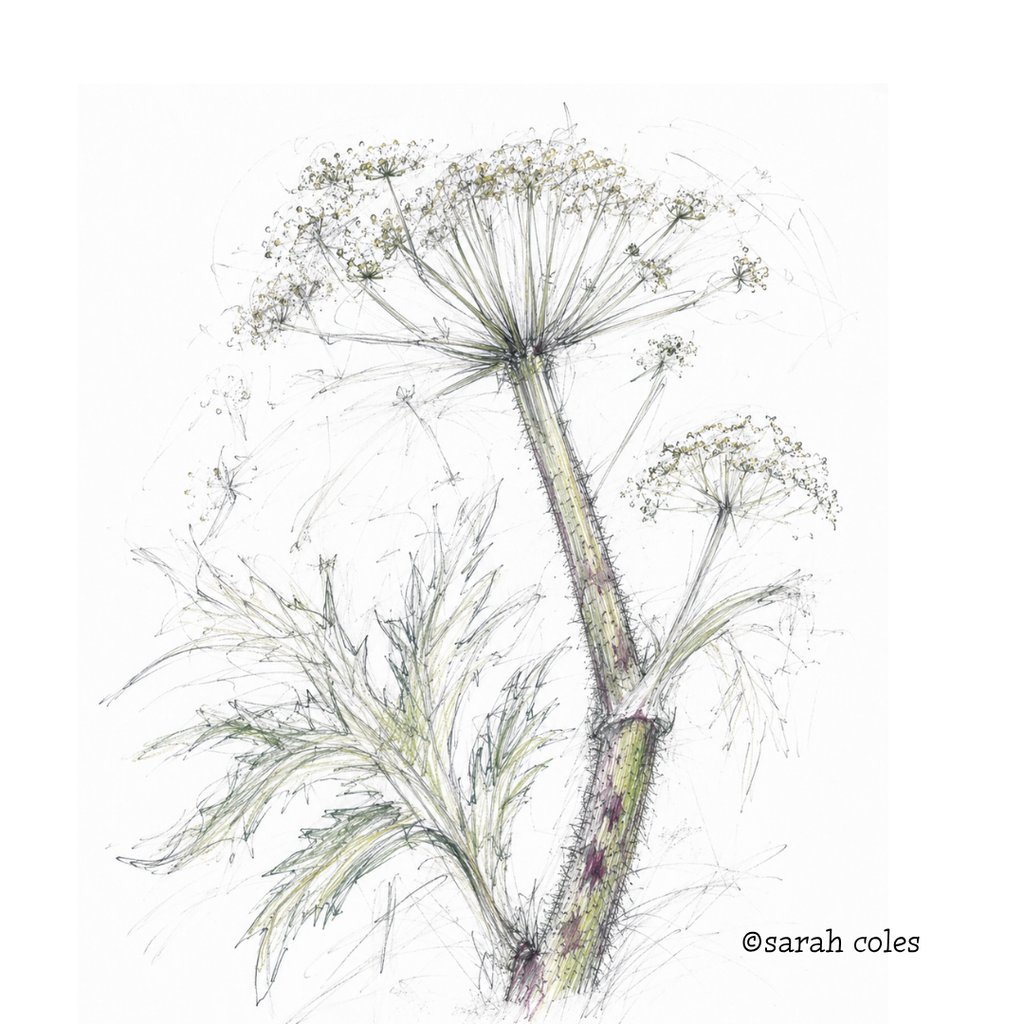
Giant hogweed is dangerous in a different way. This towering invasive plant can grow several metres high, with huge, sharply divided leaves and umbrella-like heads of white flowers. Its bristly stems often have purple blotches.
The clear sap contains furanocoumarins. When sap on the skin is exposed to sunlight, it can cause severe burns and blisters; the affected skin may remain unusually sensitive to sunlight for a long time. Sap in the eyes can cause serious injury.
Do not confuse giant hogweed casually with common hogweed or other similar plants. If you are unsure, keep your distance and ask an experienced professional to identify it from clear photographs.
How to garden with it: Do not touch, strim or mow it. In England and Wales, giant hogweed is a listed invasive non-native species and its handling and disposal are regulated. Check the current guidance for your nation and local council, or use a qualified invasive-plant contractor.
A calmer way to garden around poisonous plants
Most garden poisonings are preventable. The following habits make a real difference without turning the garden into a place of worry.
Know the plant before you handle it
Plant labels are worth keeping, particularly while a garden is new to you. Use a reputable guide and check several features — leaves, stems, flowers, fruits and growing place — rather than relying on a single photograph. Identification apps can offer a starting point, but they should not be the final word when safety is at stake.
This is especially important for foragers. Never eat a wild plant because it “looks about right”. Young leaves, roots and seed heads can be difficult even for experienced botanists to identify.
Match the plant to the garden
There is no single planting rule for every household. A foxglove in a quiet woodland border presents a different situation from deadly nightshade beside a nursery play area. Think about who uses the garden: toddlers, visiting grandchildren, dogs that chew sticks, free-ranging tortoises, horses or livestock beyond the hedge.
Where the risk cannot be managed comfortably, choose another plant. Beauty is never in short supply.
Dress for the job
Gloves, long sleeves and closed footwear are sensible when pruning or lifting plants known to be toxic or irritating. Cover cuts, avoid touching your face and wash hands and tools when the job is finished. Never burn poisonous or unidentified plant material: smoke and airborne particles may create another route of exposure.
Giant hogweed needs specialist caution. Ordinary gardening gloves and a sunny afternoon are not an adequate plan.
Dispose of plants with care
Blanket advice to put every poisonous plant in household rubbish is not reliable; local collection rules vary. Keep prunings contained and away from people and animals, then follow your council’s guidance for that species and waste type.
Do not compost giant hogweed or place it in a garden-waste bin. Because it is an invasive non-native plant and may be classed as controlled waste, seek official local advice before moving or disposing of it.
For other poisonous garden plants, a well-managed compost heap may break down some material, but it should never be accessible to children, pets or livestock. If there is any doubt, ask your local authority.
If poisoning or sap exposure is suspected
Act promptly and do not wait for symptoms to become severe.
- If someone is unconscious, having difficulty breathing, having a seizure or becoming rapidly unwell, call 999 or go to A&E.
- If a person may have swallowed a poisonous plant but seems well, call NHS 111 for advice. Do not try to make them sick and do not give food or drink unless a healthcare professional tells you to.
- Remove any remaining plant material from the mouth without putting yourself at risk. Keep a sample or take clear photographs for identification, but do not delay medical help.
- If plant sap gets on the skin, move out of sunlight, wash the area thoroughly with soap and cool water and seek medical advice. For suspected giant hogweed exposure, cover the skin from sunlight; if sap enters the eyes, rinse with clean water and obtain urgent medical help.
- If a pet may have eaten or brushed against a poisonous plant, contact a vet straight away. Do not use a home treatment unless the vet advises it.
Poison, medicine and the wisdom of dosage
Poisonous plants have a long and complicated relationship with people. Foxglove compounds helped shape modern heart medicine; deadly nightshade and monkshood appear in old physic gardens; yew has been used for modern medicines as well as bows, hedges and carving. The difference between a useful compound and a poison lies in identification, preparation and dose — work for trained professionals in controlled settings.
Nor should toxic plants be planted as improvised pest control. A yew hedge may deter grazing because it is poisonous, but that same quality can endanger horses, livestock and pets. Good garden design manages pests without creating an avoidable poisoning risk.
What these plants offer the home gardener is something quieter: a lesson in paying attention. Learn their names. Notice where they grow. Understand who shares the space. A garden need not be harmless to be welcoming, but it should be known.
The foxglove beside my wall will stay. I shall leave its flowers to the bees, cut its stems with gloves when the seeds have fallen, and remind young visitors that garden plants are for looking at unless a grown-up says otherwise. Respect, in the end, is one of the ways we care for a garden — and for everyone who wanders through it.
Important Reading:
- RHS: Potentially harmful garden plants
- NHS: Poisoning
- GOV.UK: Prevent the spread of harmful invasive and non-native plants
Further Reading: My Garden Journal & Notes
